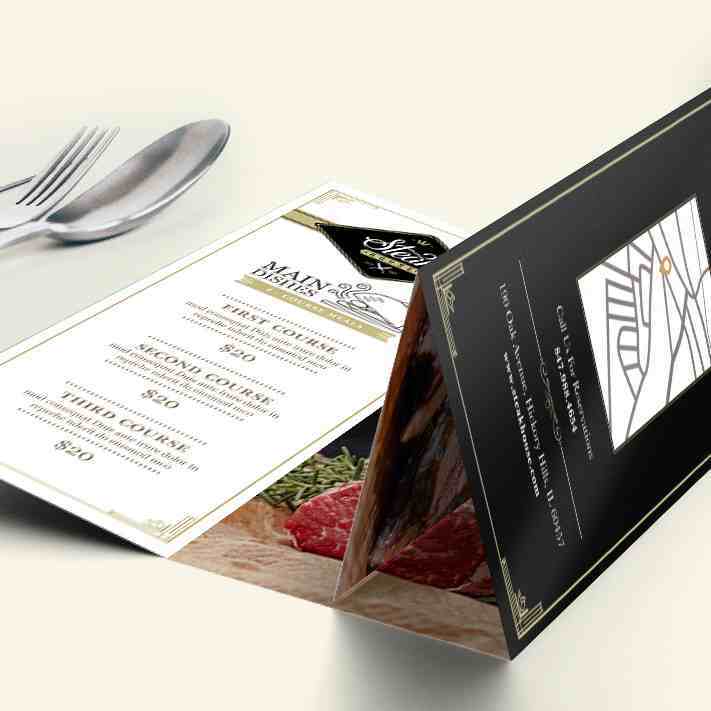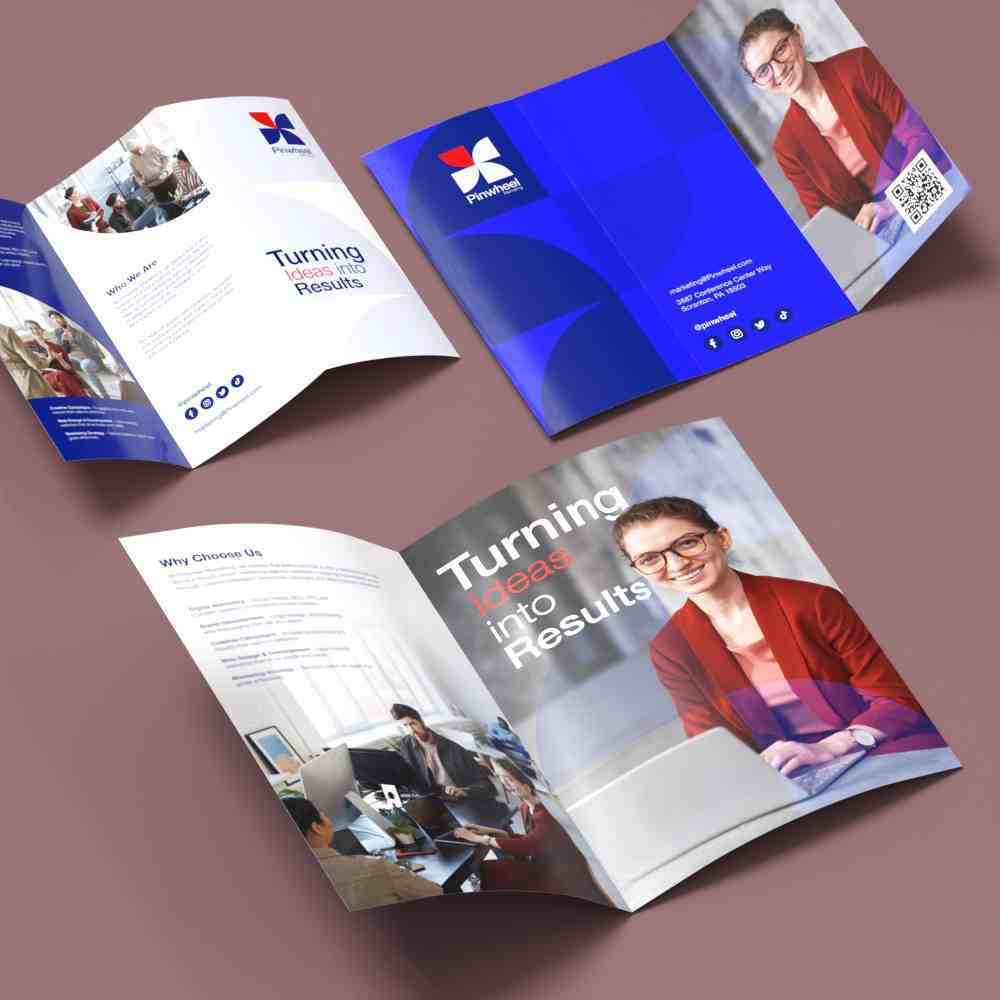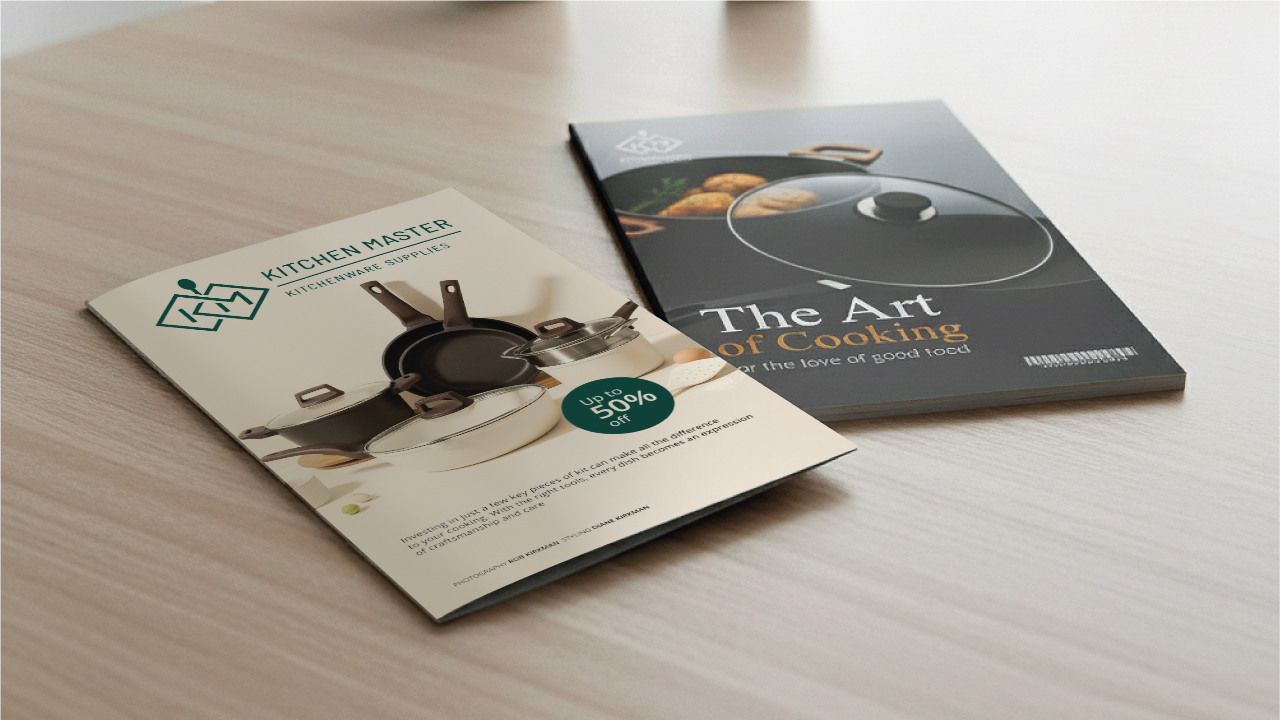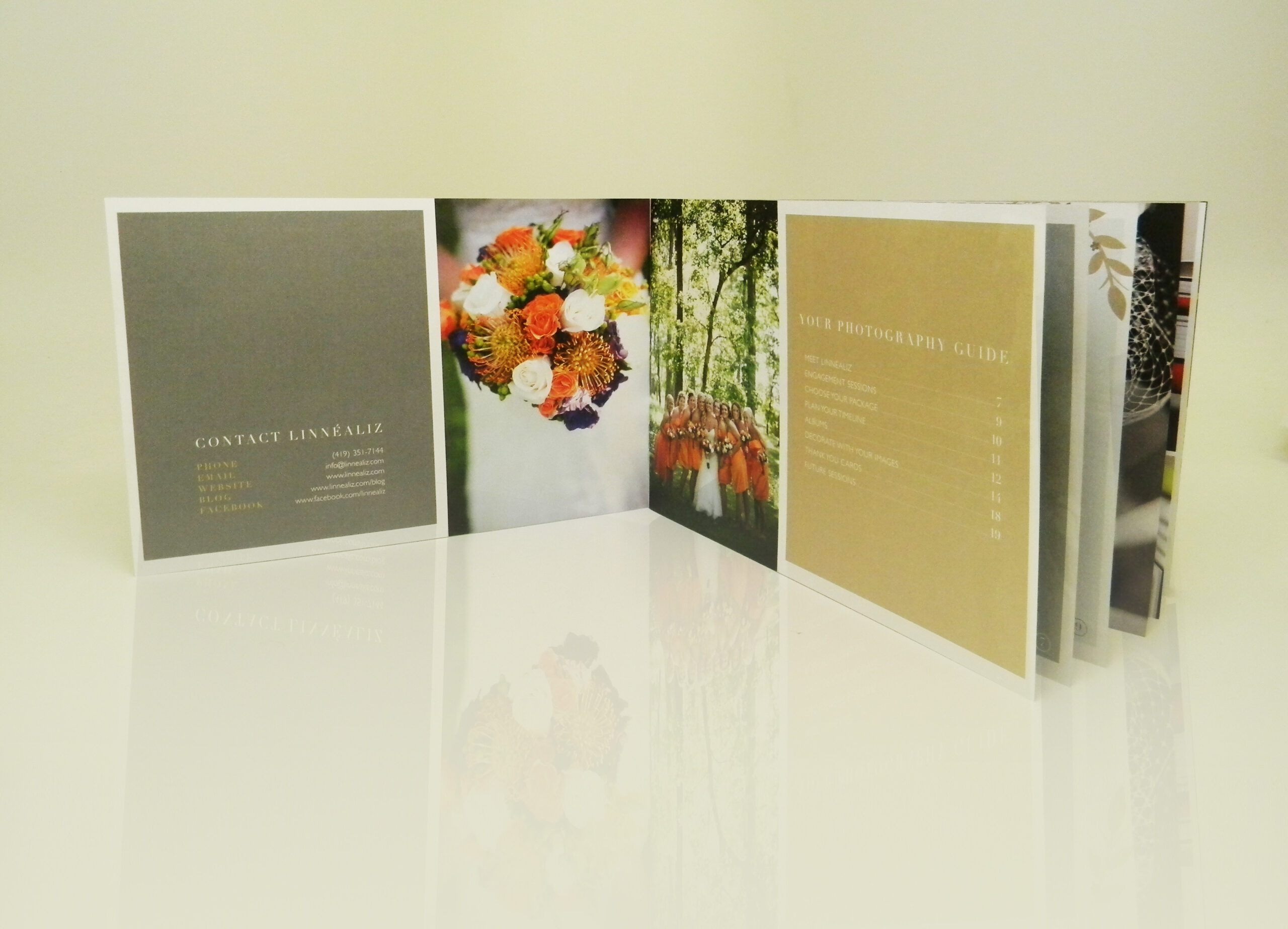

When it comes to print marketing, brochures and booklets are a complete package for promoting your brand. Both options provide the space, folds, and pages to share full details and information about your brand, products, and services, as well as why customers should take notice. Whether you’re at a trade show, sending out mailers, or handing them to clients, brochures and booklets can make a strong first impression while delivering essential brand details.
Both brochures and booklets can convey complete and accurate information about your brand, raising the question: which one should you choose? In this article, we’ll break down their different strengths so you can confidently select the format that works best for your promotions.
Differentiating Booklets and Brochures
Before choosing between booklets and brochures, it is helpful to understand what sets them apart clearly. Understanding their differences makes it easier to match the proper format to your campaign goals.
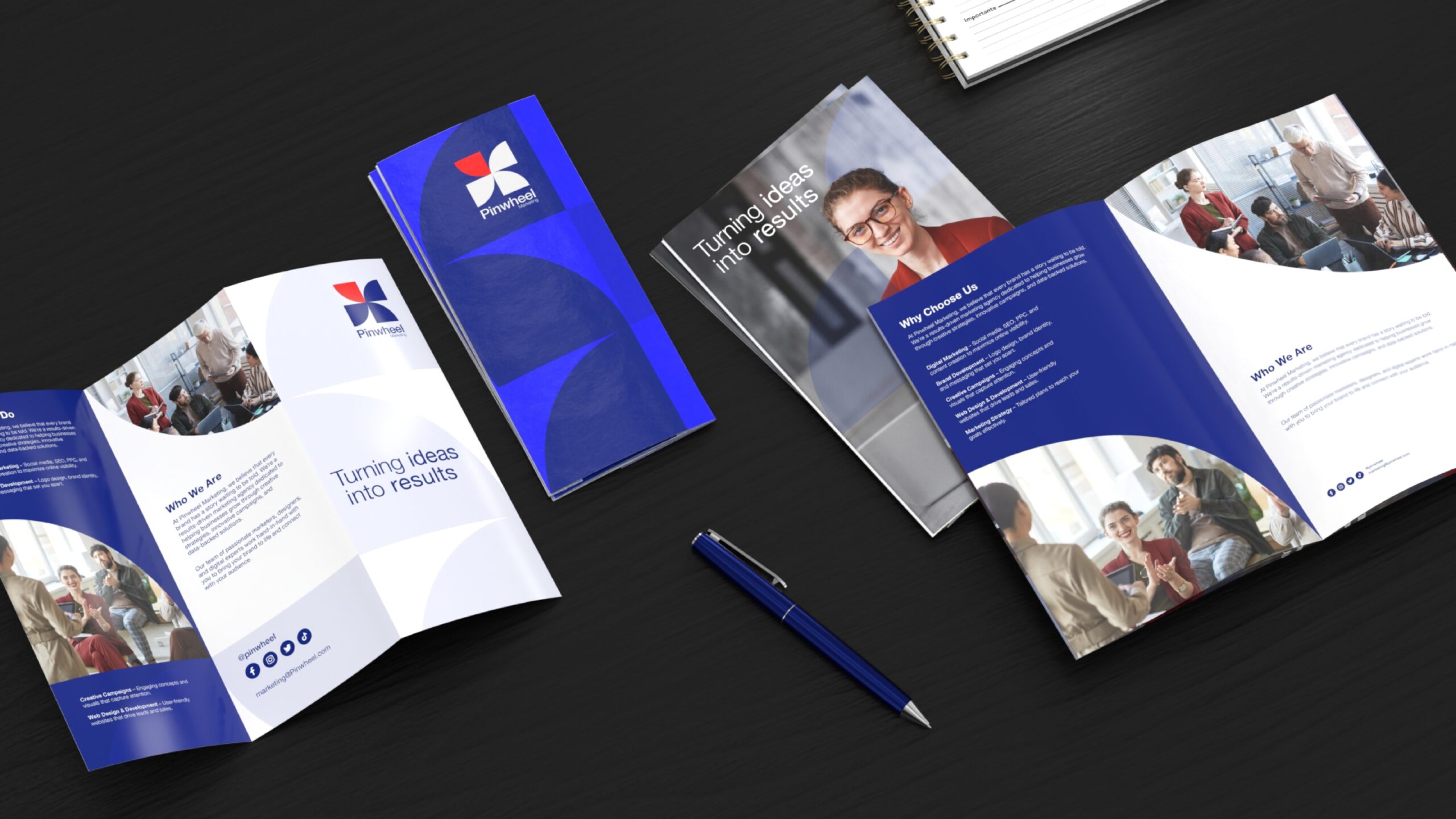
Booklets vs. Brochures Deep Dive: Why Choose Each Option?
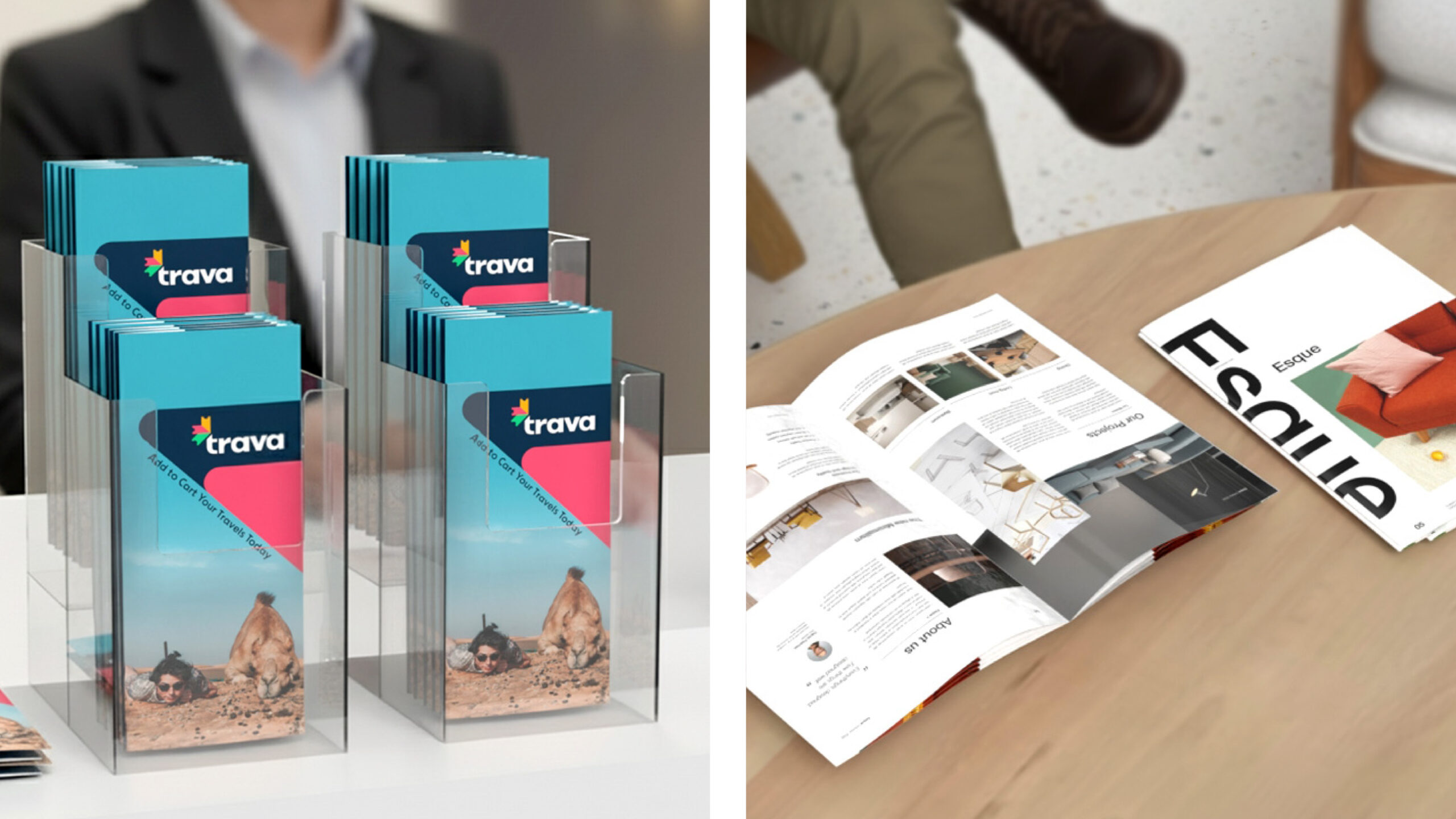
What does a brochure offer customers?
Brochures excel when your goal is to capture attention and deliver essential information quickly and straightforwardly. Their folded, compact format makes them easy to carry, hand out, or even mail directly to potential customers.
- Companies often use brochures to announce new products, highlight featured services, or spark brand interest during trade shows, events, and promotions.
- Brochures are also ideal for mass distribution, as they can reach a broad audience at a minimal cost.
- With a good balance of visuals and short text, they’re perfect for making a memorable impression at a glance.
Why do you need a brand-focused booklet?
Booklets are best suited for moments when your brand needs more depth and lasting impact. Its multiple pages allow room for brand storytelling, specifically for a detailed company history, as well as a product catalog, and portfolios of past projects.
- Businesses often use booklets for campaigns that aim to educate clients, such as during symposiums or training events.
- Readers tend to hold onto them as references, keeping your brand top of mind longer.
- A well-designed booklet provides a comprehensive and easy-to-read package of information, fostering trust and solidifying long-term relationships.
How to Decide Between the Two?
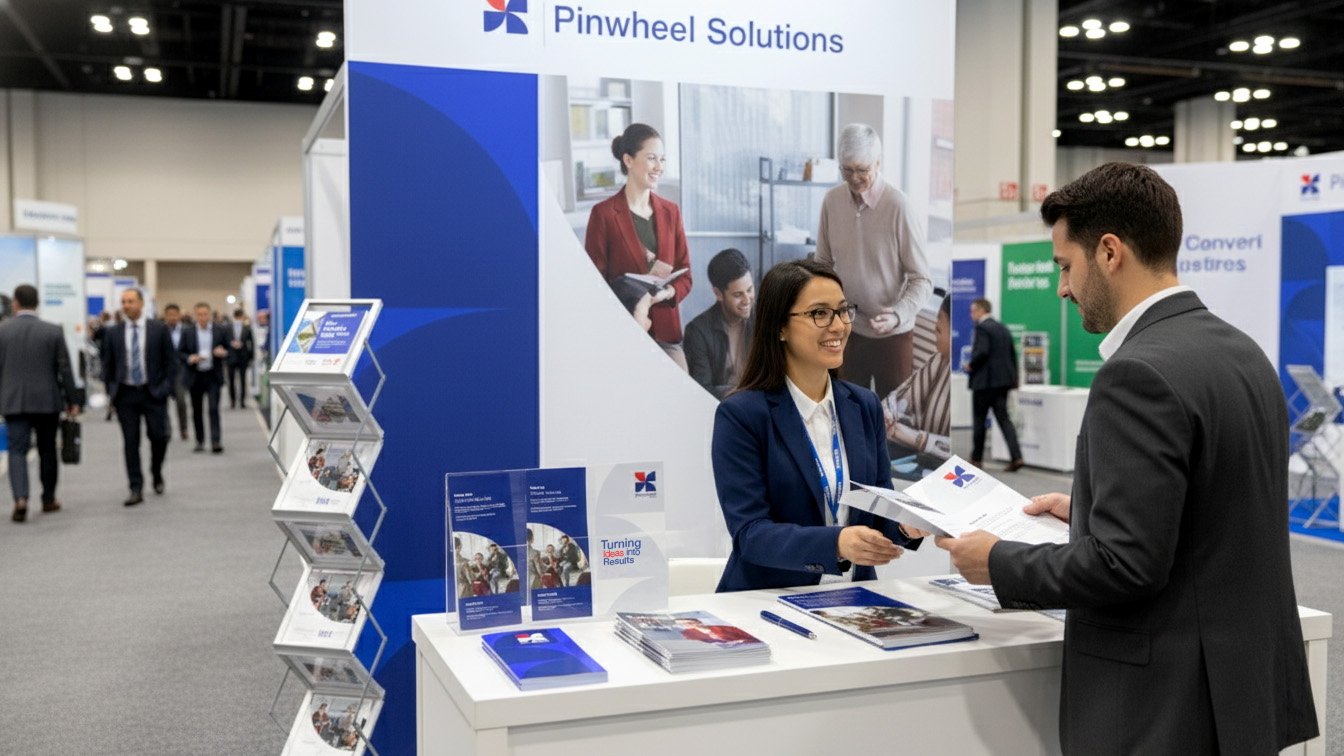
Ultimately, choosing between brochures and booklets comes down to what best supports your marketing objectives. And if you are still deciding which one to print for your campaign or event, a few important factors should help with your decision moving forward:
- Consider the type of event or promotion you’re planning. Brochures are great for trade shows and community events, while booklets are well-suited for symposiums, client meetings, or brand-focused gatherings.
- Think about your target audience and their expectations during the campaign. Some customers may want quick snapshots of products and services, while others prefer detailed resources they can keep and reference long after an event.
- Look into the information you wish to share with event attendees and clients. Use brochures for straightforward marketing highlights, or booklets when you need to delve deeper into your brand’s history.
- Your budget, timeline, and practicality will also help determine your choice. Brochures are faster and more cost-effective for wide distribution, while booklets require a greater investment but offer credibility and a long-term impact for brand storytelling.
Once you’ve weighed these factors, the type of promotional tool to use becomes clear. And when you’re ready to move forward, NextDayFlyers is here to deliver fast and high-quality booklets and brochures that perfectly showcase your brand.