


Maximizing Promotions Using Digital and Printed Brochures


Brochures have long been a staple in brand promotion, offering eye-catching designs and detailed information in a compact, easy-to-share format. However, a new option has emerged through digital brochures. These interactive materials provide numerous benefits, making them powerful tools for modern marketing. And while some businesses may lean toward this new format, the smartest strategy is to utilize both. This article examines the advantages of printed and digital brochures, letting you understand how they can complement each other and develop an effective promotional strategy for your brand.
What are Digital Brochures?
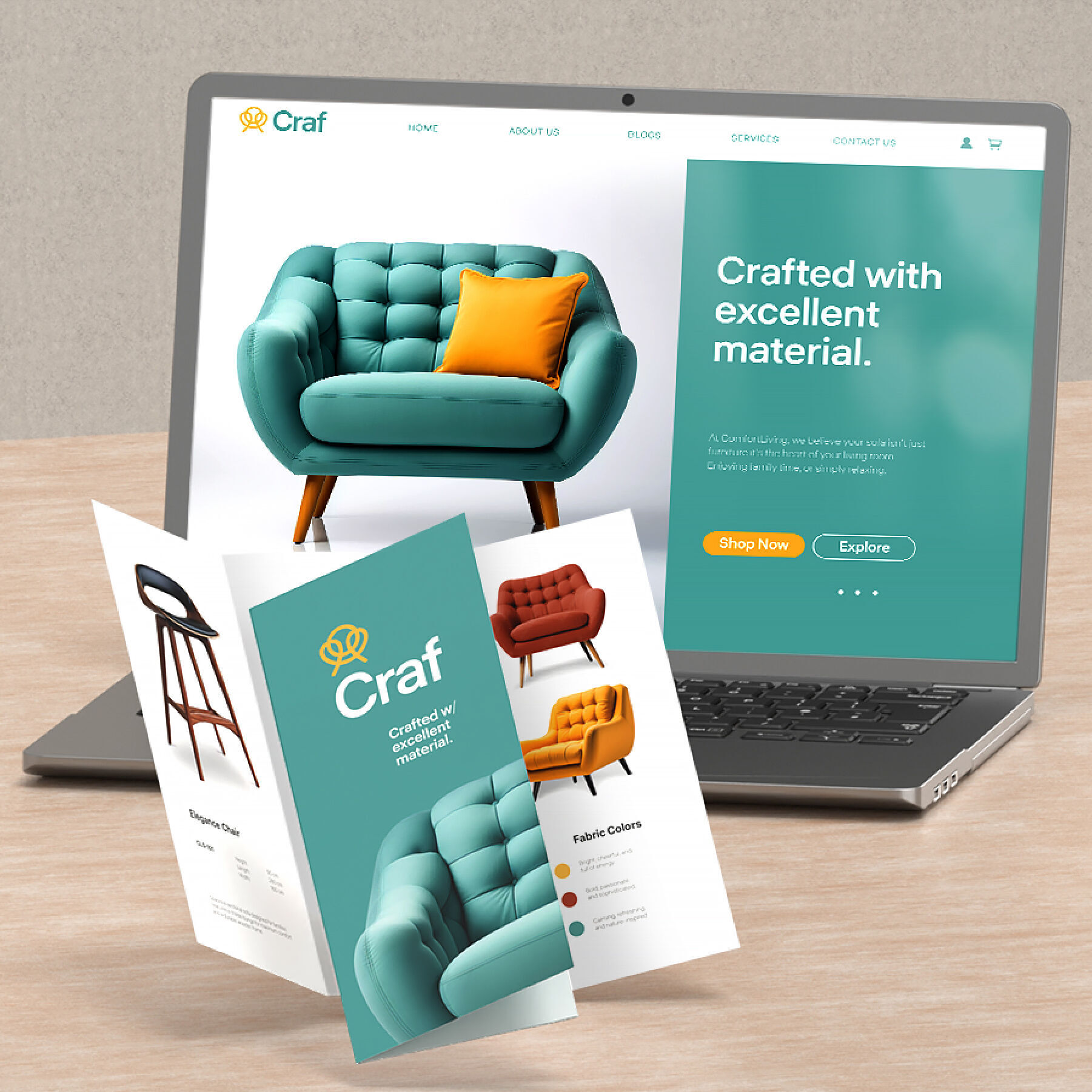
Digital brochures are modern, electronic versions of traditional print brochures. They present the same brand messaging, product descriptions, visuals, and other brochure elements but in a format that's easy to share and access online.
Right off the bat, digital brochures can generate conversions better than the physical variants thanks to features like clickable links, embedded videos, and interactive design elements. They're also cost-effective and easy to distribute across email, social media, and websites. However, despite their strengths, digital brochures still have limitations. In such cases, physical brochures can cover their shortcomings.
Printed vs. Digital Brochure Comparisons
| Print Brochures | Digital Brochures | |||
|---|---|---|---|---|
| Pros |
|
|
||
| Cons |
|
|
Maximizing Brochure Marketing
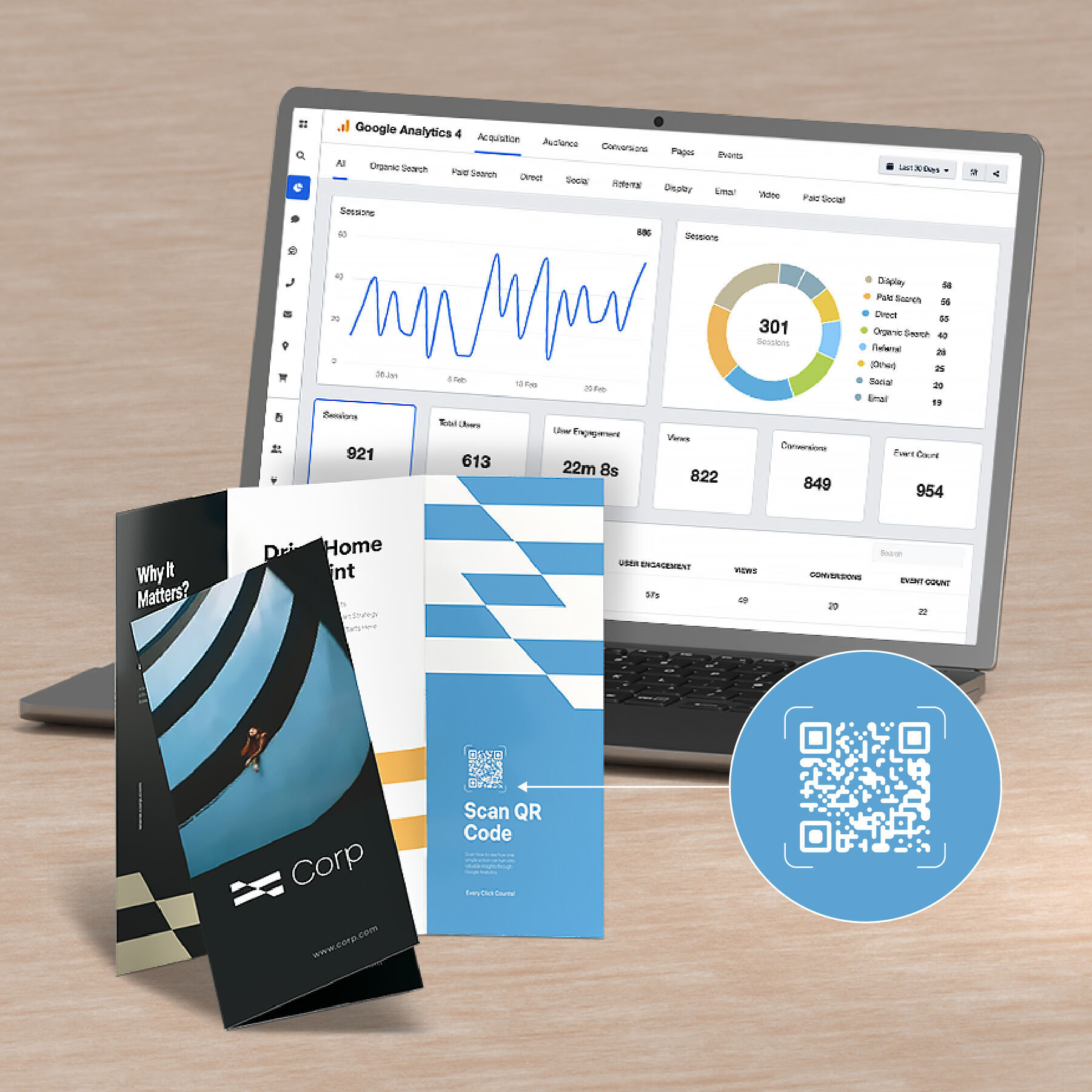
You can maximize the benefits of brochure marketing by utilizing both physical and digital formats strategically. Try to combine their strengths and create a cohesive approach that reaches a broader audience, enhances brand visibility, increases customer retention, and converts recipients into active customers. Here’s how:
- Optimize targeting
- Use a follow-up system
- Make traditional brochures interactive
- Make the QR codes trackable
- Keep branding and design consistent on both formats
Use printed brochures to target local customers at in-person events, retail stores, or through direct mail. Meanwhile, utilize digital brochures to expand your online reach, targeting broader audiences through websites, email, and social media.
Distribute traditional brochures to increase brand awareness at trade shows, events, and through physical mail. Then, follow up with digital brochures through email marketing or retargeting ads to reinforce your message and keep your brand top-of-mind.
Add QR codes or short links to your printed brochures, along with an appropriate call-to-action. These codes can then lead customers to exclusive digital content, special offers, or interactive pages.
Use trackable QR codes and links on physical brochures to monitor conversions and user behavior. Apply the same method to digital brochures for easy comparison and to refine your audience list and marketing strategy.
Ensure that your logo, brand colors, fonts, and messaging are consistent across both digital and physical brochures. Consistency reinforces brand identity and builds trust across different customer touchpoints.
The best way to showcase your brand and inform customers completely is to combine the strengths of both digital and printed brochures. Use each one to balance out the other's limitations and ensure to track customer responses, monitor engagement, and regularly update your contact lists to ensure accuracy. These insights will not only enhance your current campaign but also provide a reliable foundation for planning future promotions with even better results.