
1. Why Postcard Distribution Still Works
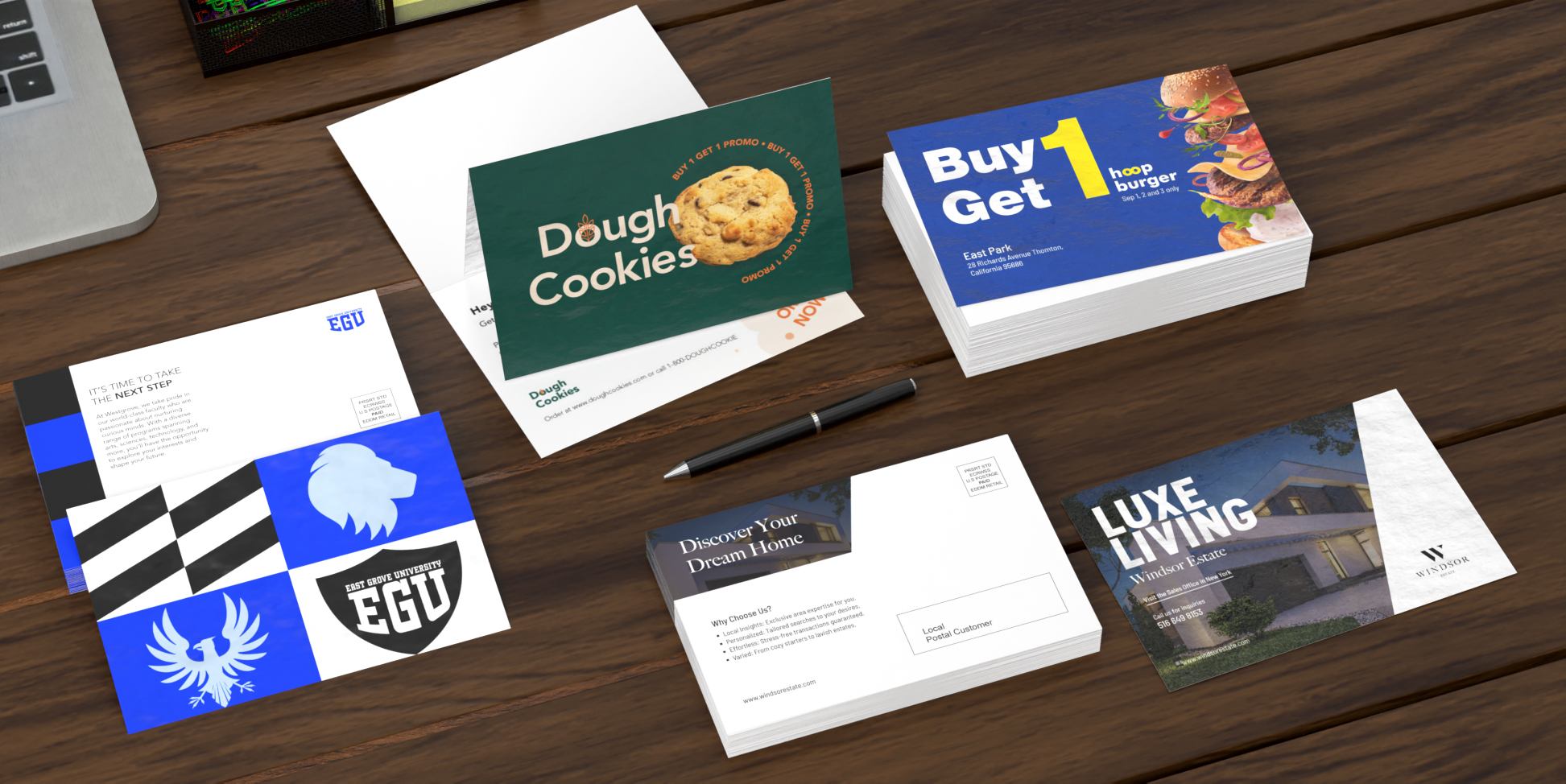
Postcards remain an effective marketing tool because they put your message directly in front of your audience without requiring extra effort, like opening an envelope or clicking an ad. They’re quick to scan, easy to keep, and versatile enough for both awareness and conversion-focused campaigns.
They work especially well for local businesses that want to reach nearby customers, whether through neighborhood mail delivery, community placements, or event distribution. Postcards also pair naturally with digital marketing by driving recipients to landing pages, social media campaigns, or special offers through QR codes and trackable links.
Popular uses include:
- Promotions and limited-time offers
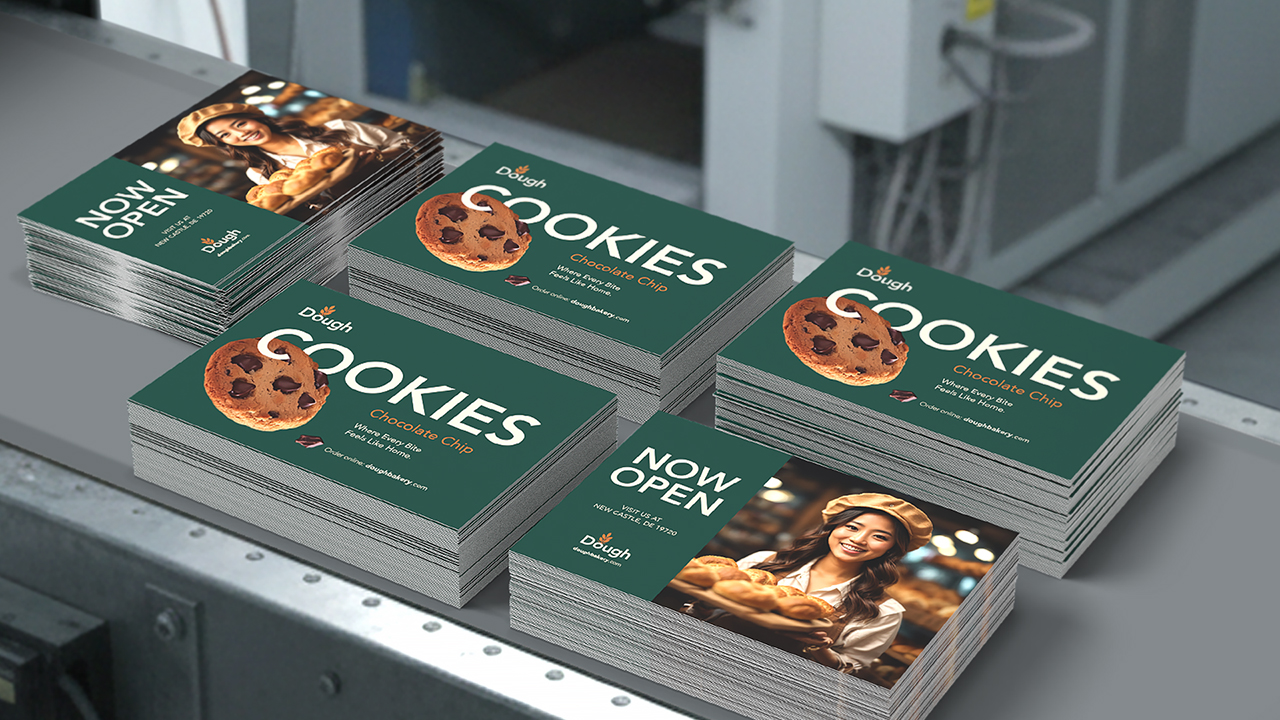
- Grand openings and announcements
- Event invitations
- Customer retention and reactivation campaigns
2. Choosing the Right Distribution Strategy
The right distribution method depends on who you want to reach and what you want your campaign to achieve. A broad awareness push may call for mass mailing, while a smaller, targeted campaign might perform better through in-person distribution or customer inserts.
Key factors to consider:
- Your target audience
- Campaign budget
- Geographic reach
- Timeline and delivery speed
- How important tracking and measurement are
Most postcard campaigns fall into two categories: professional mailing and manual distribution. Mailing services are ideal for scale and convenience, while manual distribution offers flexibility and lower upfront costs. Depending on your goals, a mix of both may be the strongest option.
Mailing Postcards: EDDM vs. Targeted Direct Mail
If you’re distributing postcards through the mail, the two main approaches are Every Door Direct Mail (EDDM) and targeted direct mail.
What Is Every Door Direct Mail (EDDM)?
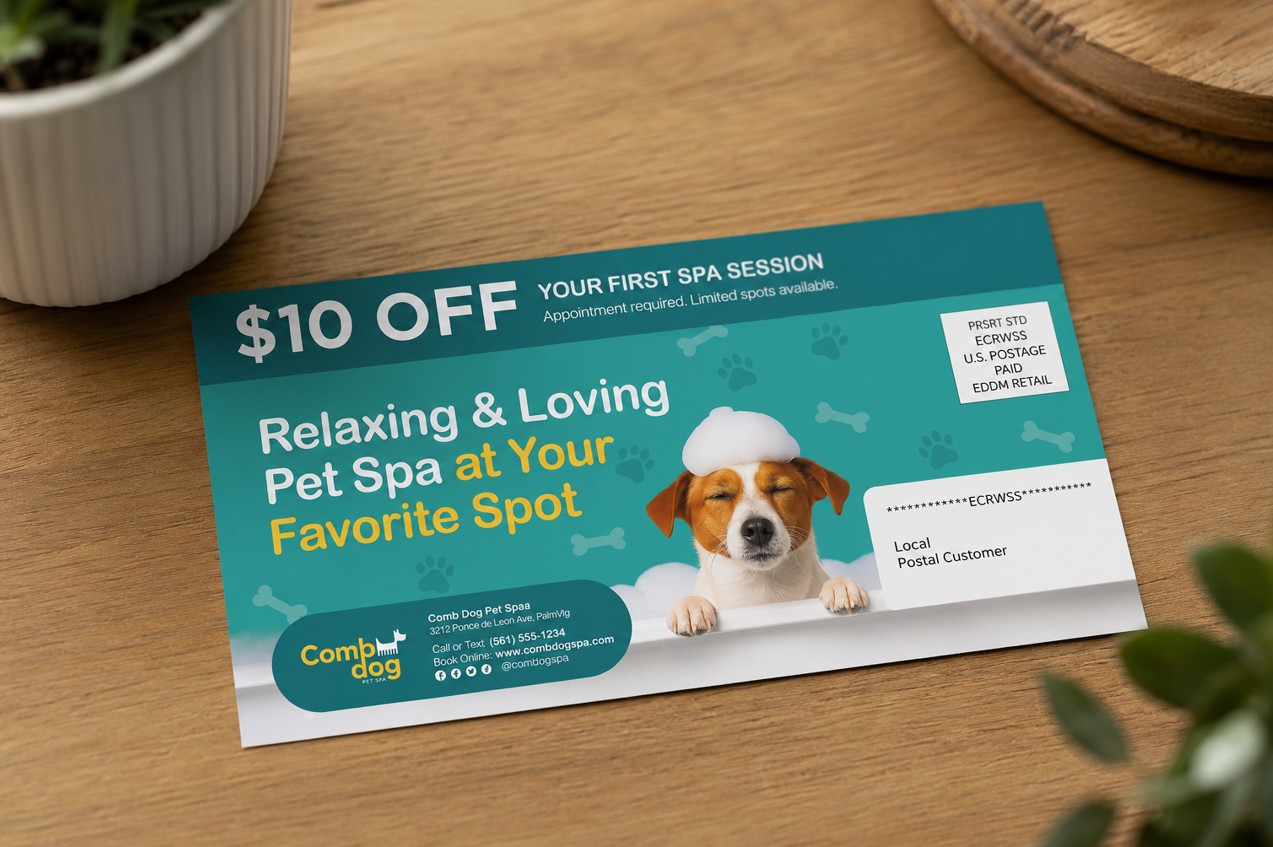
EDDM is a USPS mailing service that delivers your postcards to every address along selected carrier routes. It’s designed for broad local exposure rather than precision targeting, making it a strong option for neighborhood promotions, grand openings, and community-based businesses.
What Is Targeted Direct Mail?
Targeted direct mail sends postcards to a specific audience based on selected criteria, such as demographics, location, or customer data. This approach works best when relevance matters more than broad reach, such as customer retention campaigns or niche promotions.
EDDM vs. Targeted Mail: Side-by-Side Comparison
When to Combine Both
You don’t always have to choose one or the other.
A hybrid strategy can be effective when you want both awareness and precision. For example, a new business opening might use EDDM to build neighborhood awareness while sending targeted postcards to high-value prospects or previous customers with a stronger offer.
Manual Postcard Distribution Strategies
Not every campaign requires postage. Manual distribution can be a practical option for local outreach, face-to-face engagement, or customer retention.
Local Partnerships and Rack Placement
Partnering with businesses your audience already visits can help extend your reach. Coffee shops, gyms, hotels, coworking spaces, and community centers can all be effective placement opportunities when there’s a clear audience match.
Hand-to-Hand Distribution at Events
Trade shows, festivals, farmers markets, and local events offer direct access to potential customers. This approach works best when postcards support a specific offer, event, or next step rather than being handed out without context.
Packaging Inserts and Order Add-Ons
Including postcards in customer orders is a simple way to drive repeat business. This method works well for referral offers, bounce-back discounts, loyalty promotions, and product announcements.
Guerrilla Marketing With Postcards
Creative distribution can help your campaign stand out, but it should always be done responsibly. Before placing postcards in public or shared spaces, make sure you understand local rules and property permissions.
Creative Placement Ideas
Community bulletin boards, laundromats, campus boards, coworking spaces, and neighborhood gathering spots can all be useful distribution points when allowed.
Street-Level Distribution
Street distribution can be effective in high-foot-traffic areas or near events, especially for time-sensitive promotions. Focus on direct engagement rather than passive mass drops that may be ignored or discarded.
Because attention is limited, your postcard should communicate quickly. Strong headlines, a clear offer, and a visible call to action can make a significant difference.
Planning Logistics and Staying Compliant
Execution matters just as much as strategy.
If you’re mailing postcards, make sure your design aligns with USPS size and mailing requirements to avoid delays or unexpected costs. For public or shared spaces, check local posting rules and venue-specific policies before distributing materials.
If you plan to place postcards on private property, such as business counters or residential common areas, always get permission first.
Timing also matters. Seasonal promotions, local events, and campaign lead times can all affect results, so plan distribution around when your audience is most likely to respond.
How to Track Postcard Campaign Performance
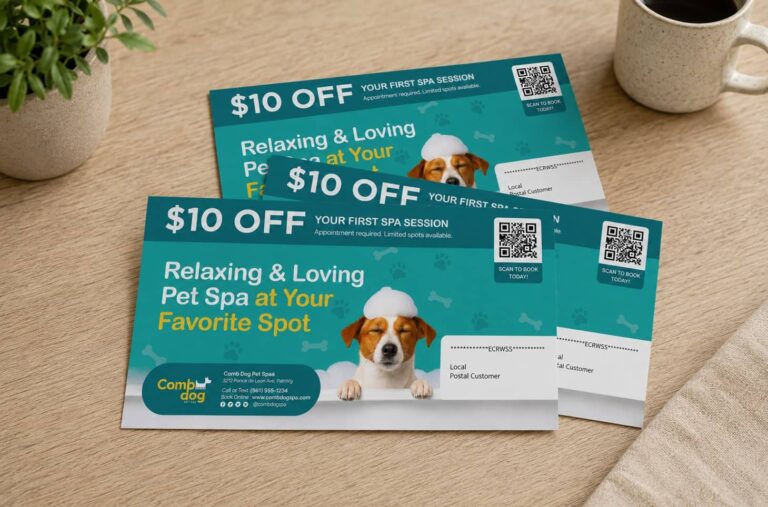
Tracking helps you understand what’s working and improve future campaigns.
QR Codes and Smart Links
QR codes make it easy to connect print marketing to digital engagement. Linking to campaign-specific landing pages or trackable URLs can help measure scans, visits, and conversions.
Promo Codes and Unique Offers
Unique promo codes help attribute sales or responses directly to a postcard campaign while giving recipients a reason to act.
Measuring Response Rates and ROI
At a minimum, track response rate, conversions, and overall return on investment. Even simple tracking methods can reveal which distribution channels and offers perform best.
Cost vs. Reach: Comparing Distribution Methods
Different postcard distribution methods offer different trade-offs in cost, effort, reach, and targeting precision.
No single method is best in every situation. A lower-cost option may be enough for a small local push, while broader campaigns may benefit from combining multiple distribution channels for better reach and reinforcement.
Best Practices for Maximum ROI
To get the most from your postcard campaign:
- Combine multiple distribution channels when appropriate
- Keep your message focused and action-driven
- Include a clear way to track engagement
- Test different offers, designs, or calls to action
- Stay consistent rather than relying on one-off campaigns
Turn Your Postcards Into Real Results
Postcard distribution is most effective when it’s planned with intention. The right strategy depends on your audience, budget, and campaign goals.
Whether you choose direct mail, manual distribution, or a combination of both, a clear message and measurable approach can turn postcards into a reliable marketing channel that drives real results.