Press "Enter" to skip to content
Skip to main content
33 Checkpoints: quality printing at the speed you need.

All Products
Catalogs and Booklets
All Products

What Makes a Flyer Effective in 2026

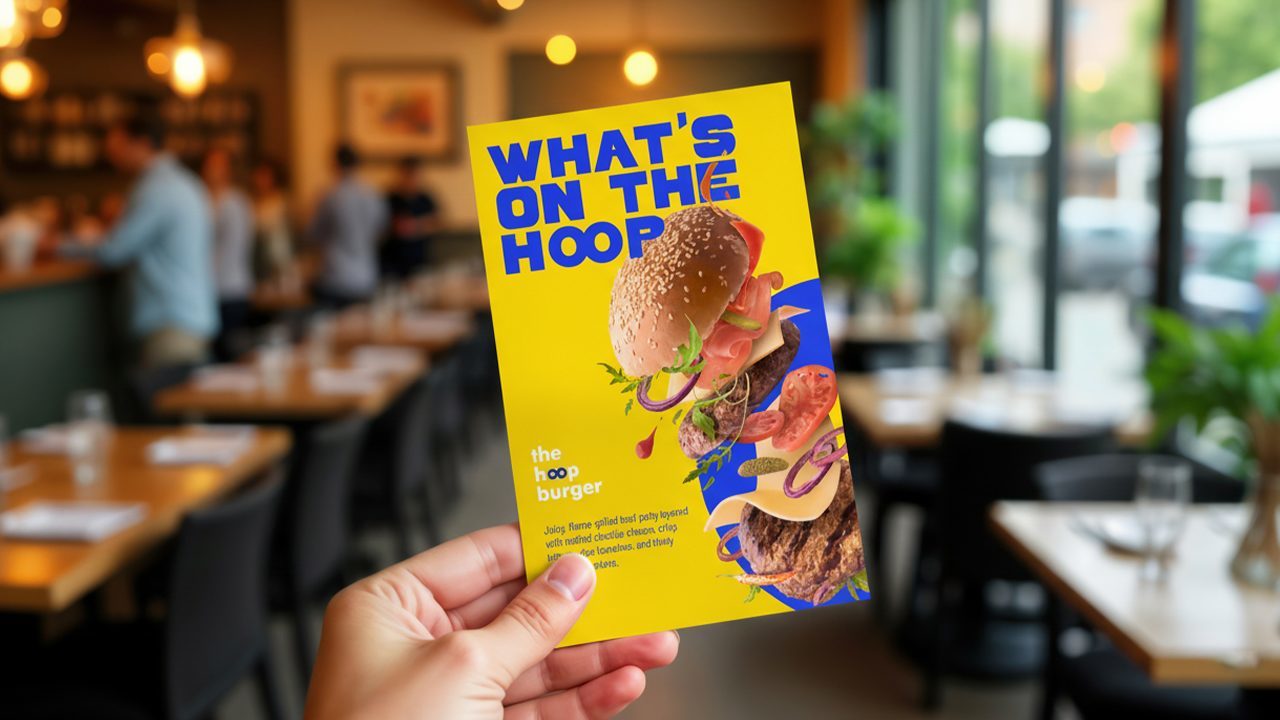
Flyers are designed to provide fast and easy-to-understand information through visual hierarchy, impactful images, and short, clear copy. Follow these best practices and design tips to ensure you get the most out of these single-sheet promotional tools.

1. Decide on the distribution method.

The distribution method is a critical factor that determines the ideal flyer design and how you present information. Print materials handed out at crowded events generally require a bold headline and minimal body text, while flyers inside a product packaging typically include more details.

2. Pick the “right” flyer size

Flyers come in various standard sizes, with the right one depending on factors such as your goal, distribution method, and content and design requirements.

Standard Flyer Sizes:

  • 5” x 11” or US Letter. Offers maximum visibility and ideal for menus and product catalogs.
  • 5” x 8.5” or Half-Letter. Suitable for event promotions, retail flyers, and discount offers.
  • 4” x 6” or Postcard Size. Perfect for high-traffic handouts, coupons, short messages, and direct mail campaigns.

3. Keep your message short and simple.

Flyers are designed for quick impact and fast information. Recipients often scan them (rather than read them thoroughly) to get the gist of the message. Follow these tips to craft an effective copy:

  • Create a strong, captivating headline.
  • Use a short text to support the headline.
  • Use bullet points rather than long paragraphs.
  • Choose simple words and avoid the use of jargon.

4. Choose simple, readable fonts.

Flyers need readable and legible typography because they need to deliver fast information. Decorative fonts are hard to read and may even create a negative impression or cause readers to misinterpret your message.

Stick to simple, clean fonts like Verdana, Arial, Georgia, or Helvetica especially for body text. If you really need to use decorative fonts because they reflect your brand’s personality, use them sparingly for headlines and titles to grab attention, not for long paragraphs.

Additionally, stick to 1-2 fonts to create a professional look, establish a nice visual hierarchy, and promote readability.

5. Use white space to create a visual rest.

White space or negative space is crucial for readability and visual hierarchy in flyer design. It acts as a breathing room and visual rest to guide the readers’ eyes and allow them to process information better.

Here are some guidelines when incorporating white space into your flyer design:


  • Aim for around 20% – 30% white space to ensure impact and clarity. But if you want to highlight your call-to-action or CTA, you can allocate up to 50% negative space to the overall design.
  • Avoid layout with edge-to-edge text and images.
  • Use white space between sections to create visual hierarchy and highlight key details.

6. Create a brand-centric flyer design.

All print materials you use, from flyers and brochures to product catalogs and posters, need to be consistent with your brand. They offer opportunities to build brand recognition and establish trust and credibility.

Play close attention to these visual brand elements when designing your flyers:

  • Brand colors
  • Logo
  • Imagery
  • Typography

7. Include all key details.

An effective flyer focuses on a single, clear message supported by these key details:

  • A short, impactful headline
  • Easy-to-read body text
  • High-quality images or graphics
  • Visual brand elements such as business name, logo, brand colors, typography, etc.
  • A strong CTA (e.g., Visit Our Store, Register Now, or Sign Up Today)
  • Contact information
  • For event flyers, include the location, time, date, and any registration requirements

8. Review your flyer design and copy multiple times.

Proofread your copy and review the overall flyer design multiple times to ensure everything looks professional and consistent with the brand identity, the details are correct, and the overarching message is clear.

Pay close attention to these elements when reviewing your flyer design:

  • Spelling and grammar
  • Accuracy of key details such as location, time, and date
  • Visual hierarchy
  • Readability and legibility of text
  • Overall layout
  • URLs, QR codes, and other “access” to digital platform (test them to confirm functionality and user experience)

9. Work with a professional printer.

Professional printers offer superior quality and access to premium paper stock and finishes that are not available if you opt for DIY methods. For large-volume printing, working with professionals can help you save money because the cost per unit is lower than going DIY.

10. Distribute your flyers at the right time.

Aim for lunch hours or early evenings when people are usually out in busy areas. For event promotions, distribute flyers a few days to a week before a sale or holiday event to build awareness and give people enough time to plan their schedule.

A well-designed flyer with a strong and clear message, captivating visuals, and accurate information encourages recipients to take specific action like visiting a website or brick-and-mortar store or attending an event.

If you don’t have a print-ready flyer design, you can use our free templates. Click on your preferred size, industry, and style to find the design that fits your needs.