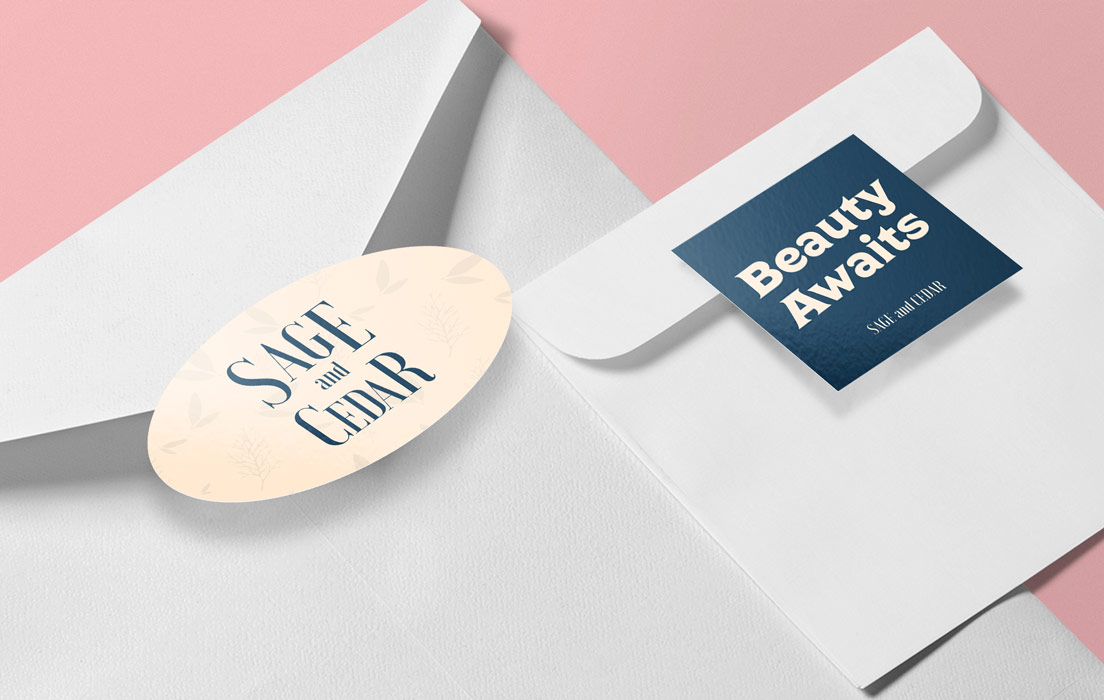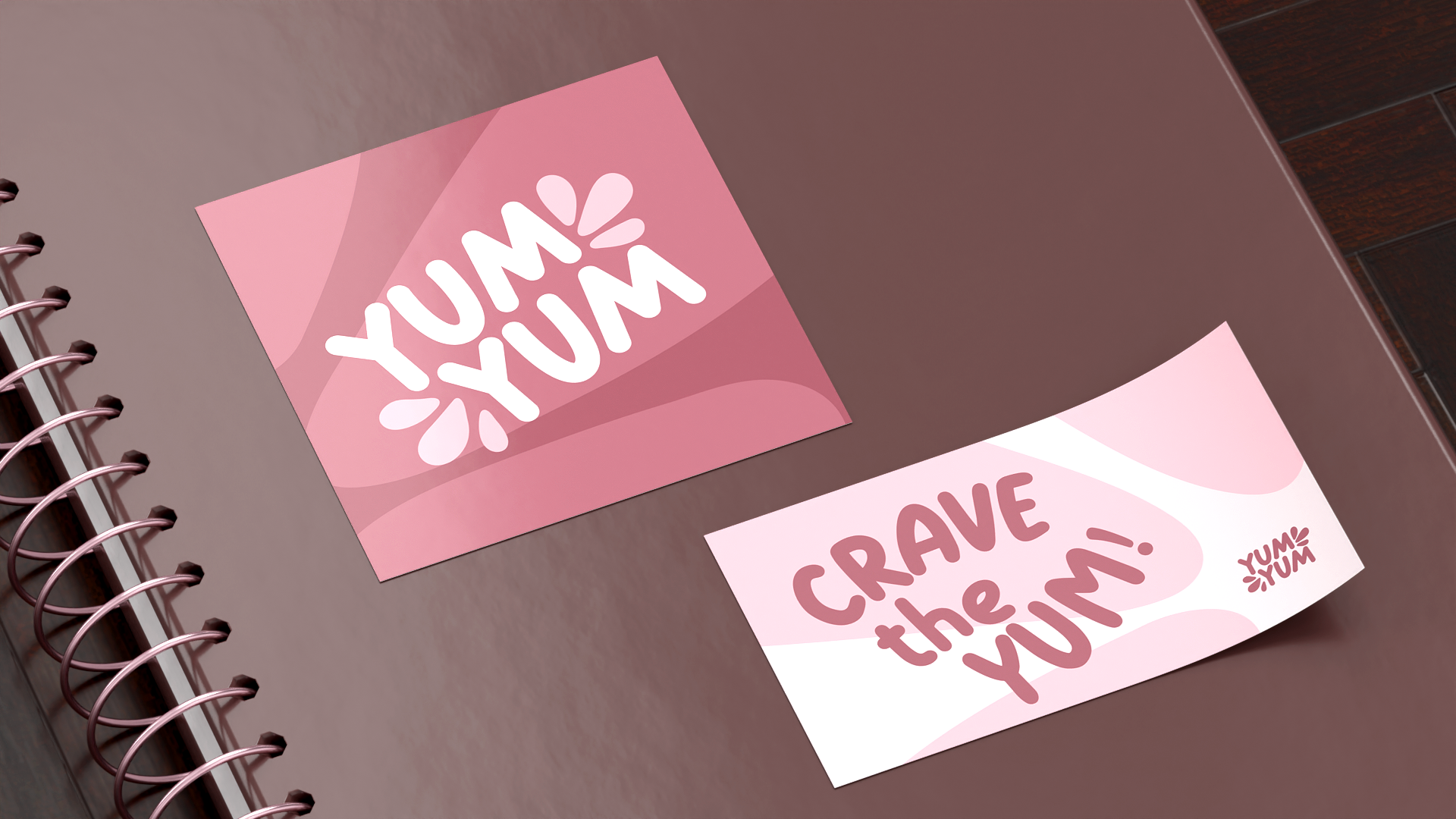

- There are different ways to get the correct label sizes for your packaging.
- These methods and steps vary whether you have flat or cylindrical packaging.
- Consider factors like application, label shape, and design when choosing product label sizes.
Choosing the right label size is a crucial first step toward effective product branding and packaging. Many businesses begin by measuring their packaging dimensions, which sets the foundation for their design layout, text placement, and overall shelf presentation.
If you’re unsure where to begin with your labels, NextDayFlyers offers a variety of size options to explore. In this guide, we’ll walk you through simple ways to measure your packaging and helpful tips to find the label size that fits your brand.
How to Measure Flat Packaging
Boxes, paper bags, and envelopes are among the easiest to measure for their labels. You can use simple tools to measure their surface accurately, note the size, and decide where to place the label.
1. Check the areas you want to label
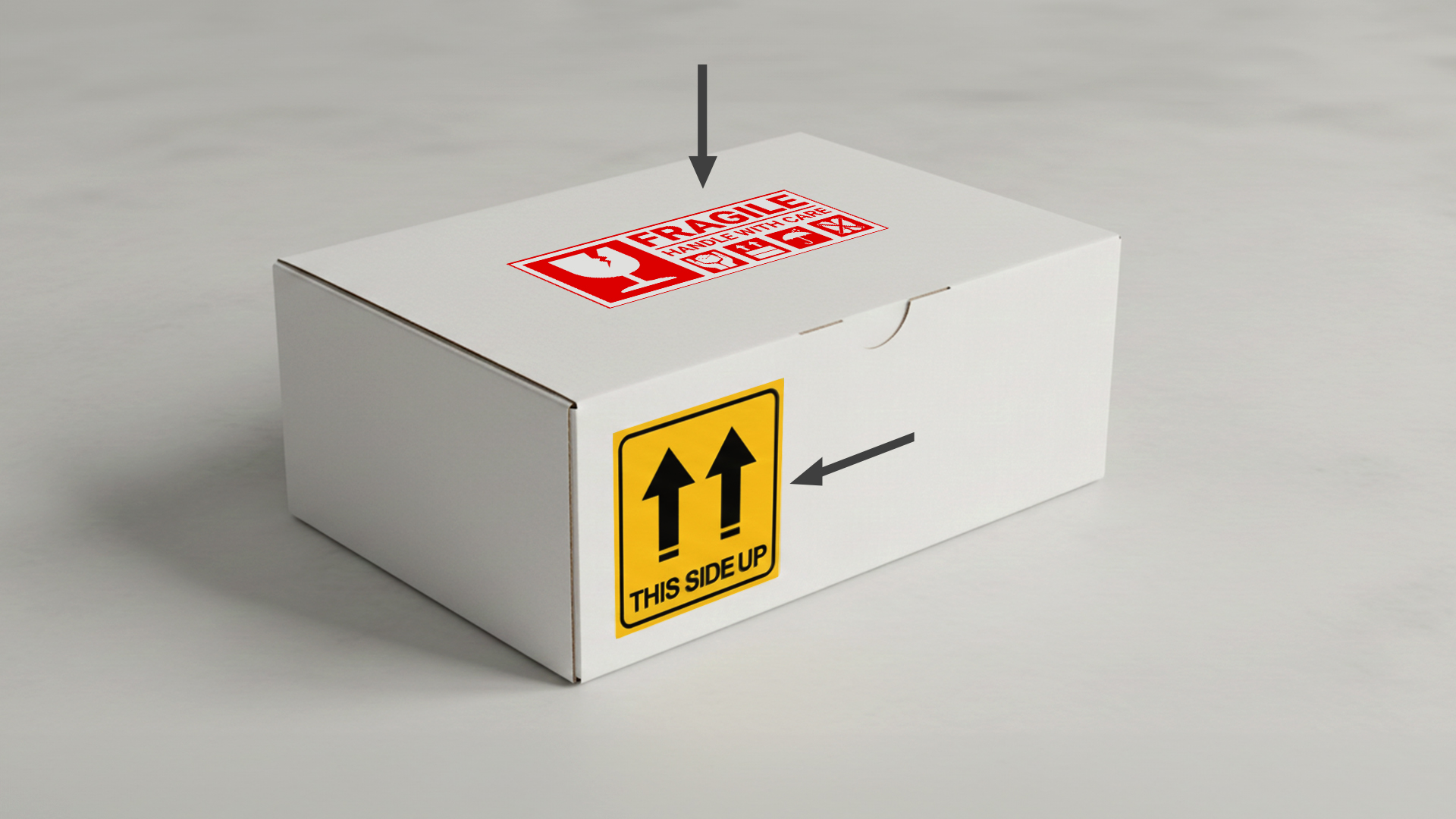
- Most brands apply the labels on the top or lid of the box, but you can also place them on the sides or even at the bottom.
- Labeling one side is common for paper bags, though some brands apply labels on both sides for extra visibility.
2. Use a ruler to get accurate measurements
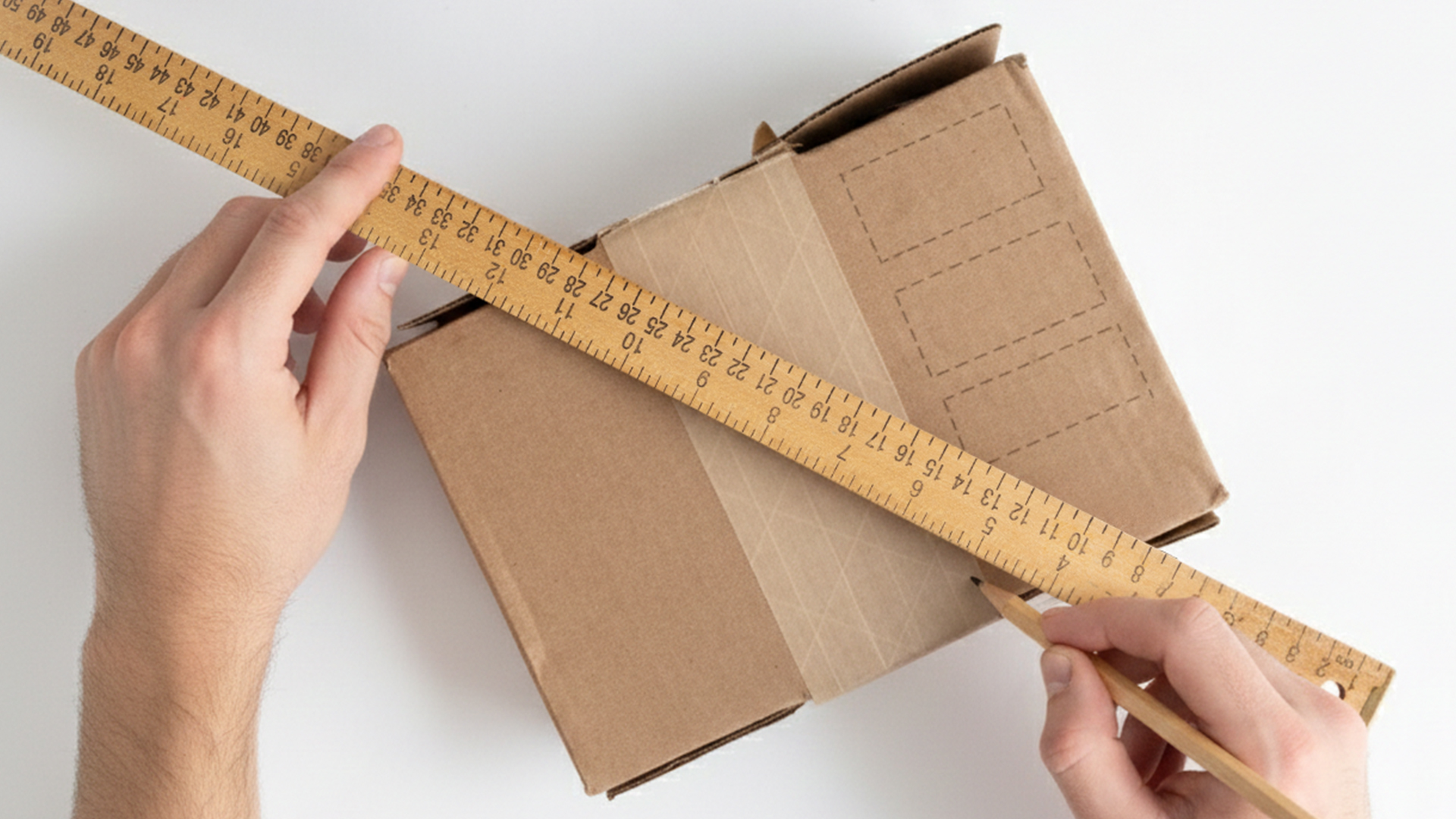
- Flat surfaces can be measured directly using a ruler. Metallic measuring tape also works for measuring larger packaging.
- Make sure to note spaces and alignment, so you know how to center the labels. Include margins and allowances when measuring the area.
3. Cut and shape a paper sample and test the position
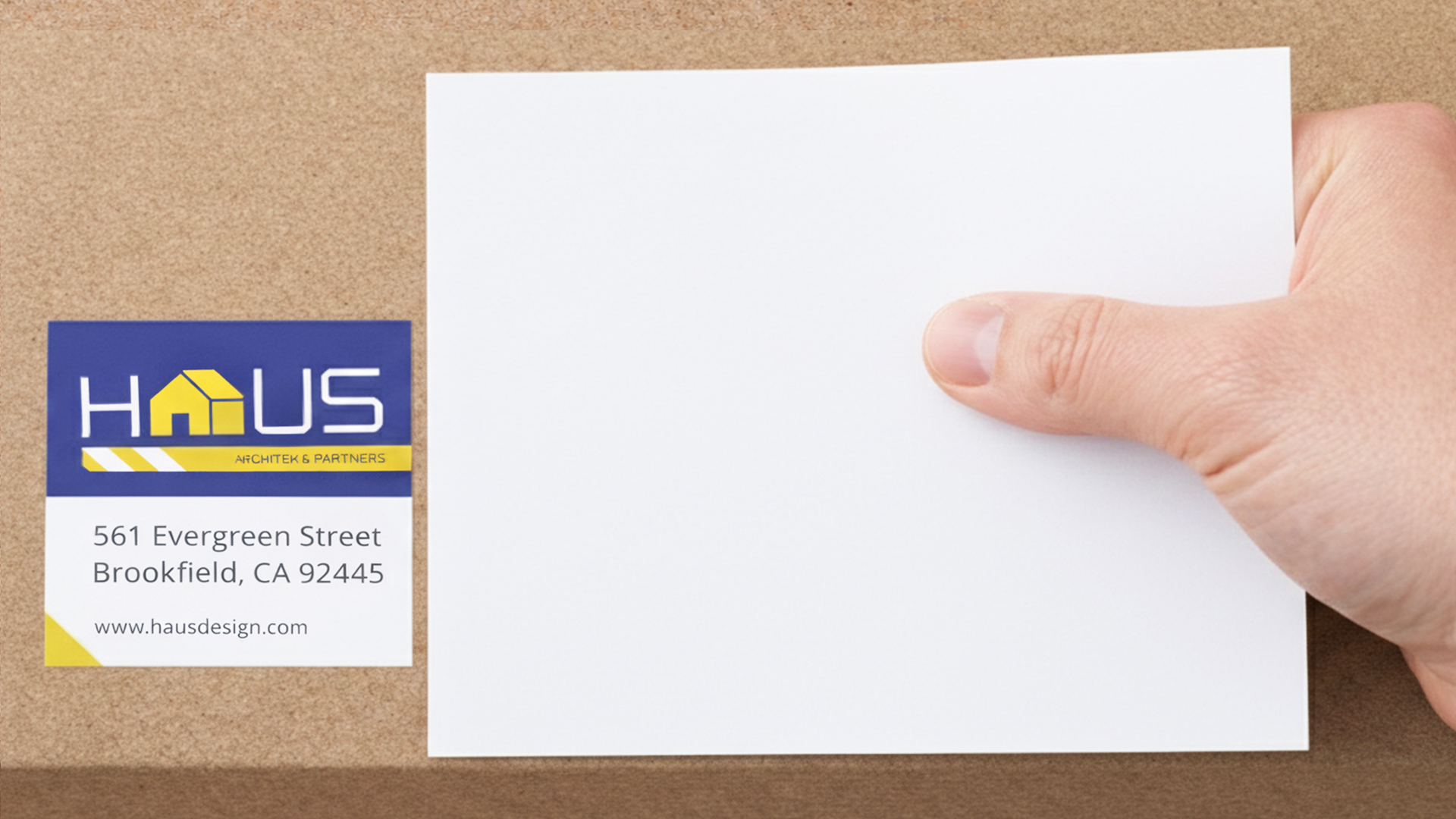
- Create a paper sample that resembles your label’s size and shape and place it on the packaging to visualize its fit and balance.
4. Finalize your chosen size for your order
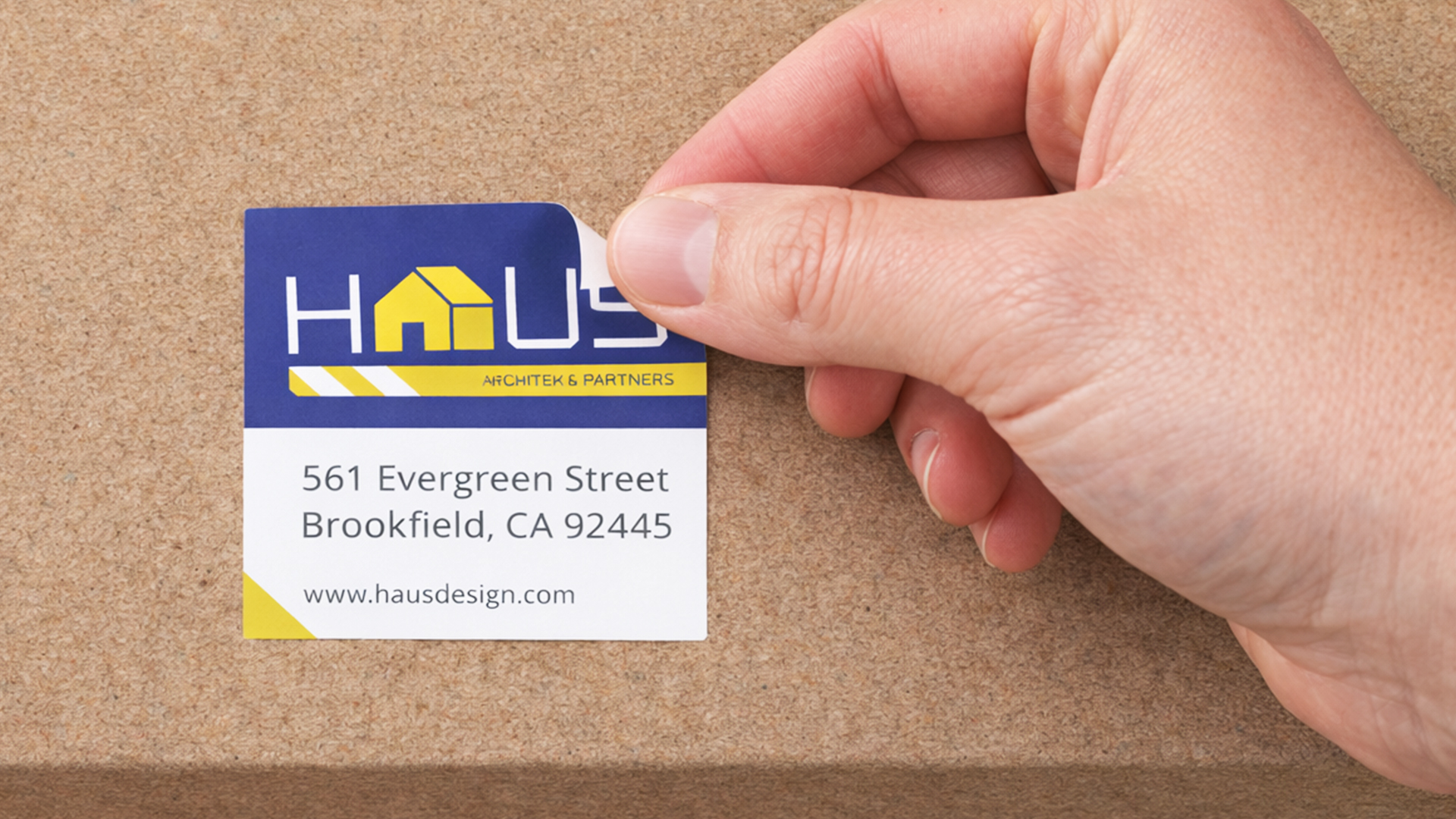
- You can repeat step three once you receive a digital proof you can print to confirm the size and layout.
- Once you’ve confirmed the size and how it looks, you can finalize your order and get your labels printed.
How to Measure Cylindrical Packaging
Measuring bottles and jars requires a bit more creativity. Still, with the right approach, you can easily find the best label size by measuring carefully, noting their curved surfaces, and testing the placement before ordering.
1. Use a sewing measuring tape to get the circumference and height
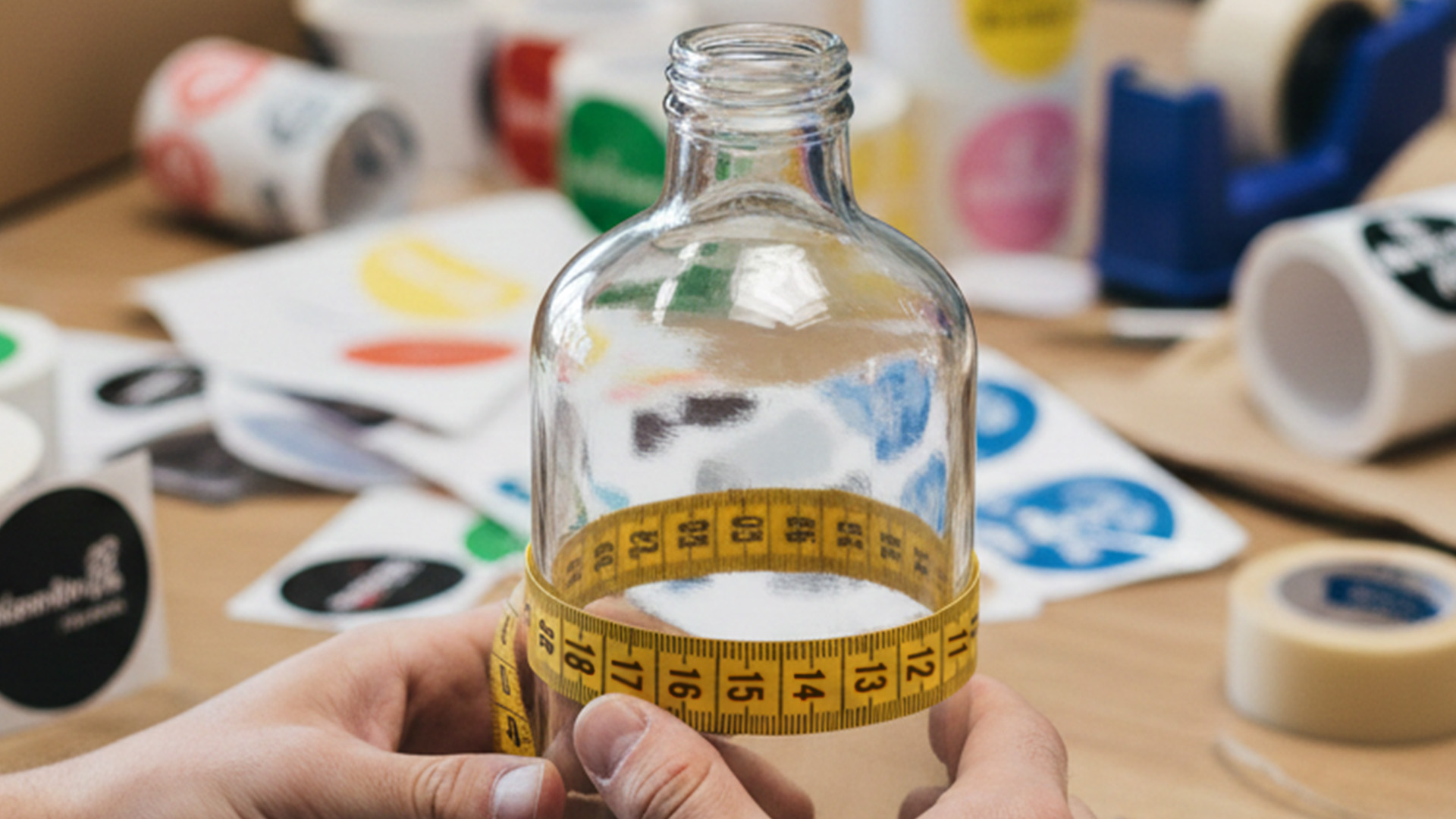
- You can wrap the flexible tape around the jar or bottle to determine the width.
2. Try using a strip of paper as an alternative
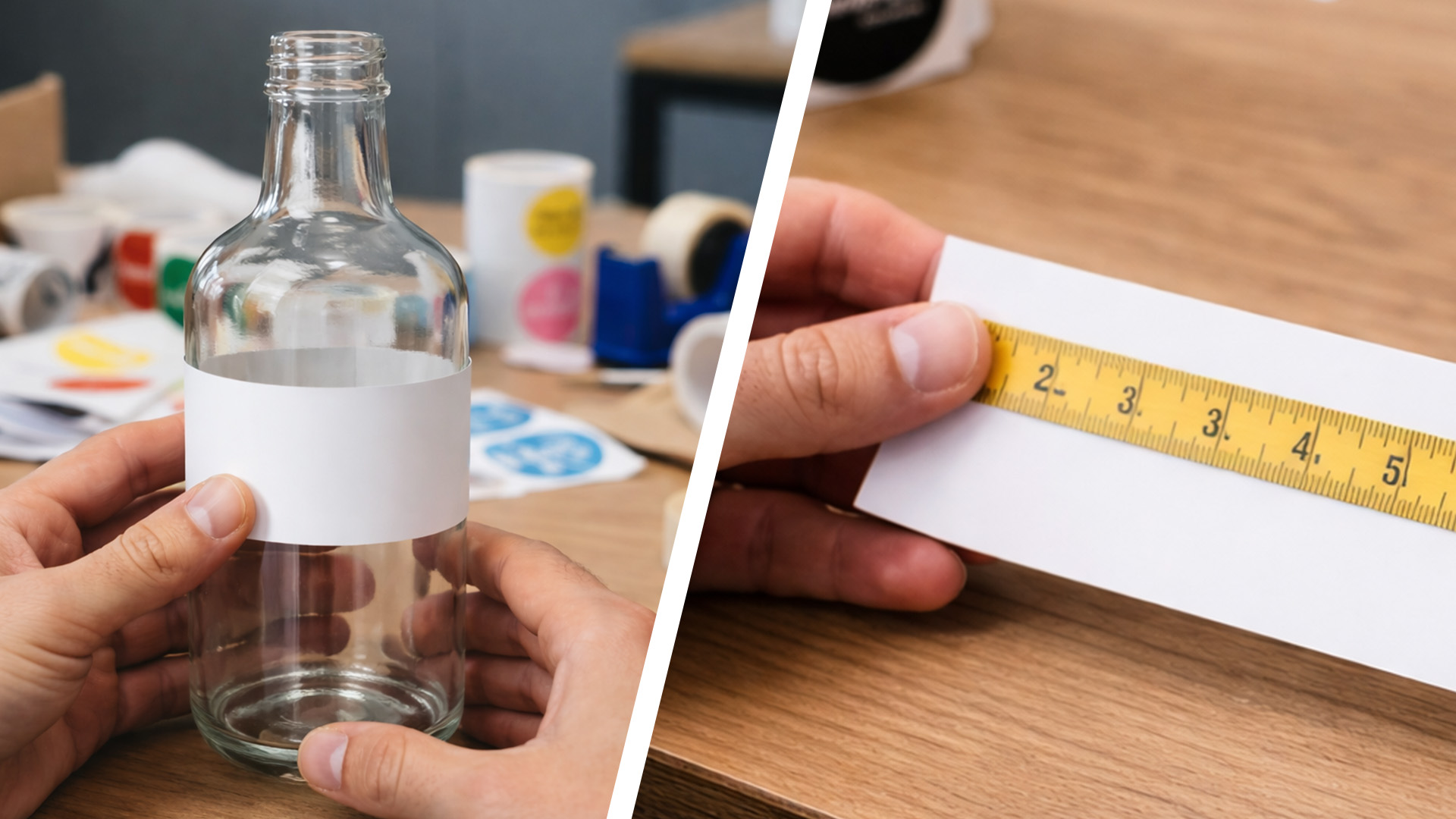
- Wrap the piece of paper around the container, mark where it meets, trim the excess, and measure the strip with a ruler to find the circumference.
3. Decide whether you want a full wrap-around or a front-only label
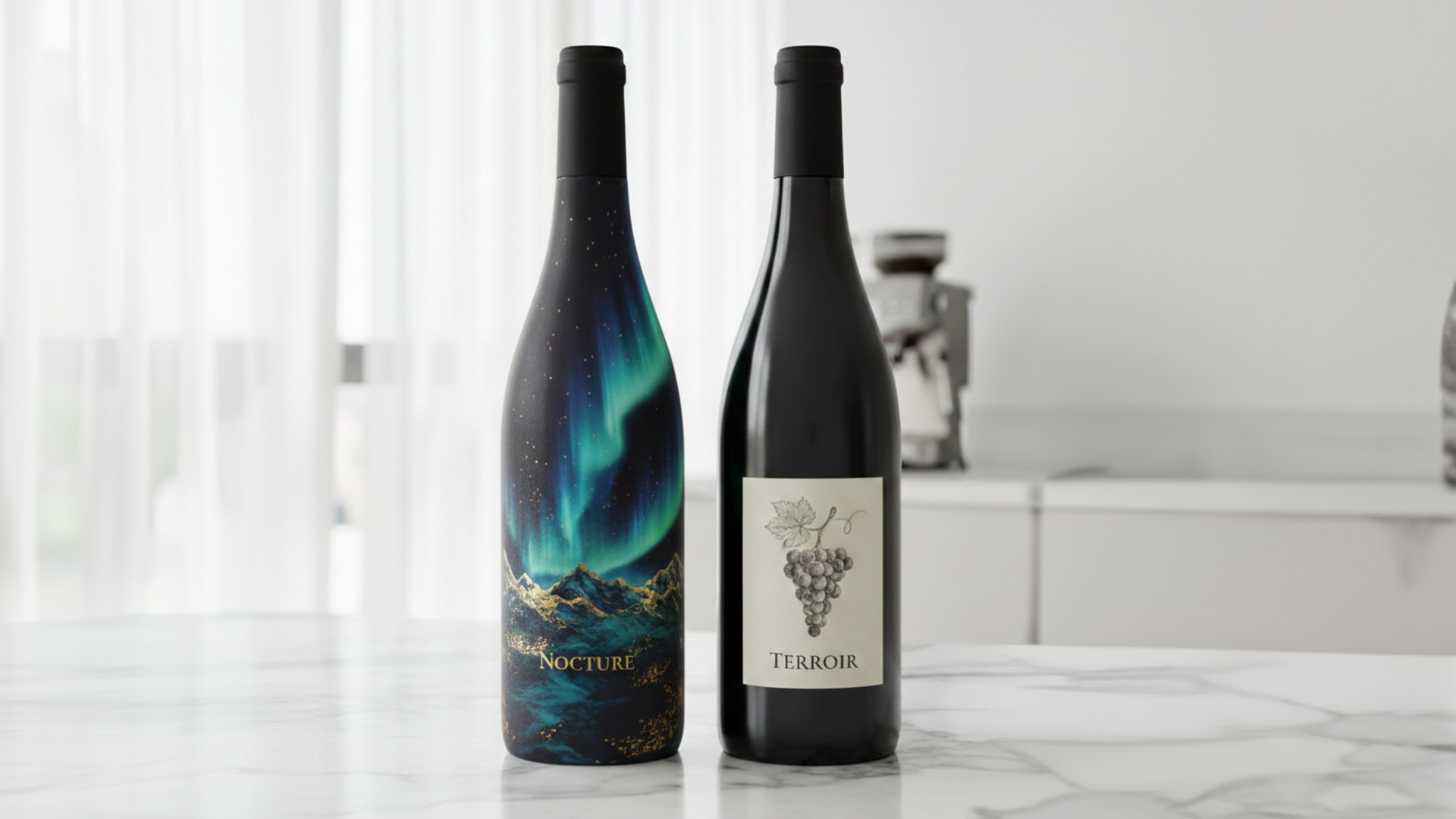
- Use the measurements and container shape to decide whether your label will cover the entire surface or just the front-facing area.
4. Create a paper sample and test the placement.
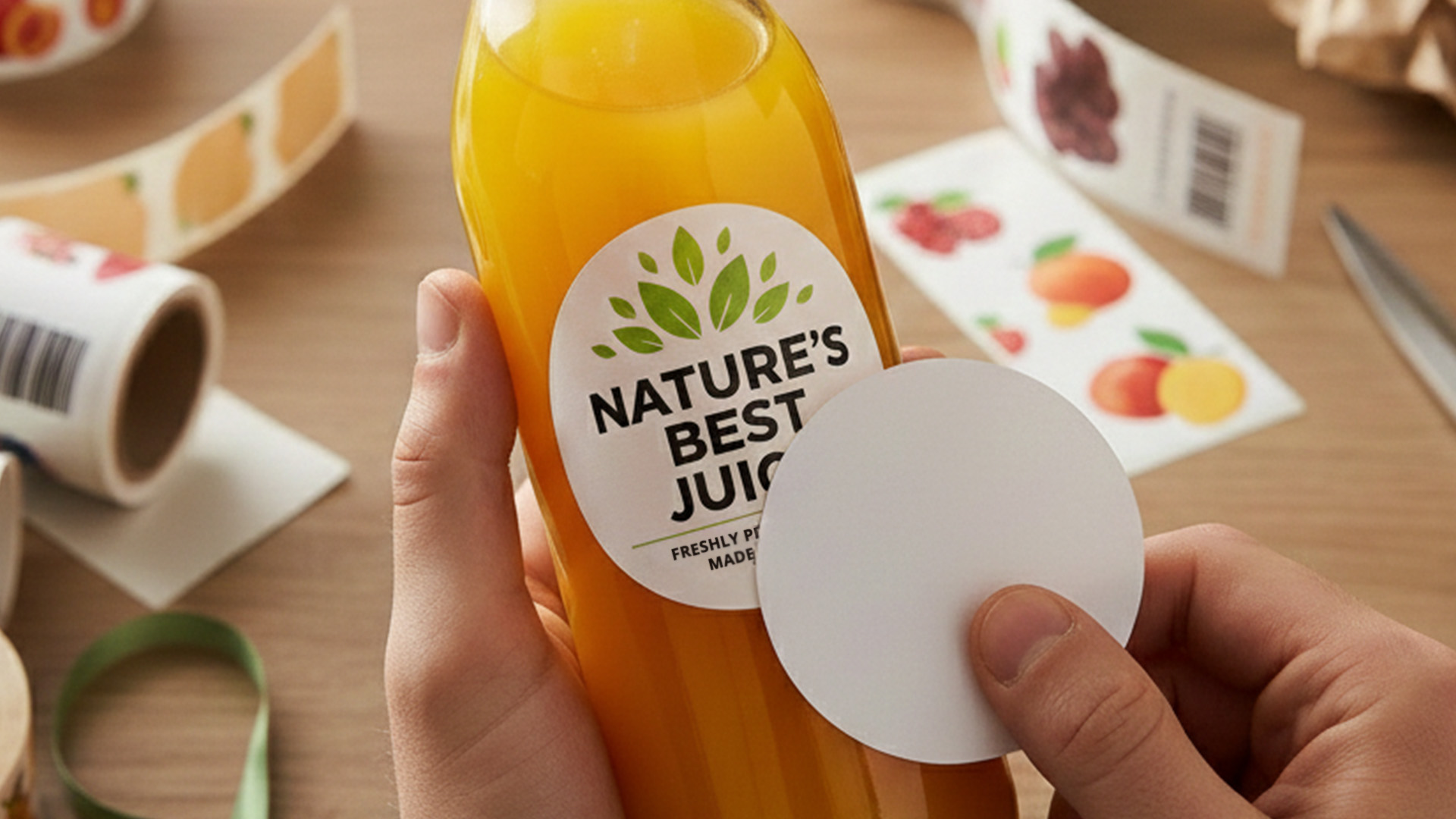
- Cut and shape a paper sample based on your measurements, then wrap or position it on the bottle to check visibility and fit.
5. Finalize the measurements and place your order.
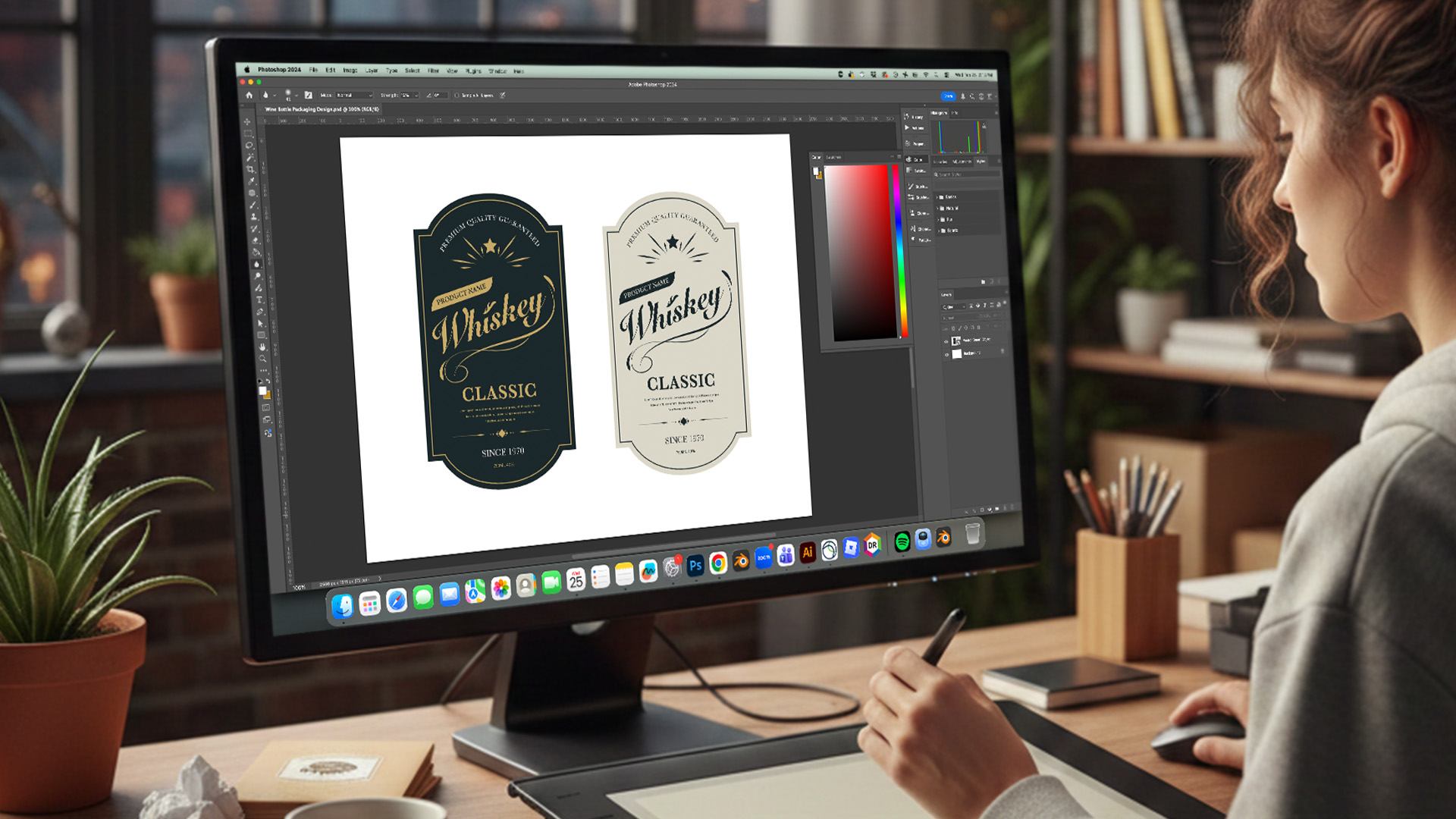
- Enter the exact dimensions, keeping the curve in mind, and request a proof to ensure the shape and size look right on the actual container.
Other Tips to Consider Regarding Label Sizes
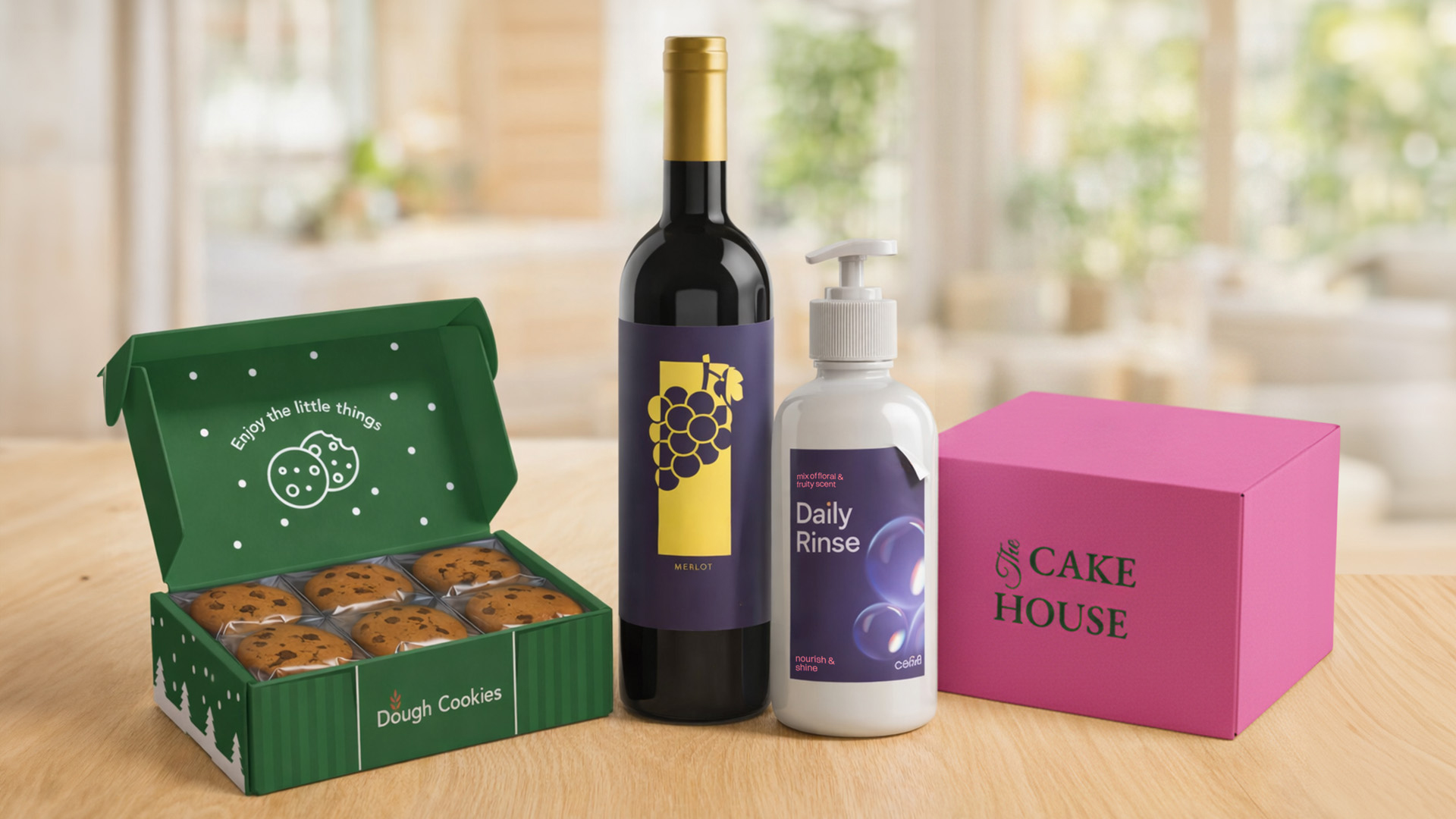
1. Stay consistent when measuring your packaging. Use the same unit (inches or cm) across all measurements and rely on proper rulers or tapes with precise graduations for reliable results.
2. Base your label size on the packaging itself, regardless of shape. Measure length, width, or circumference accurately to determine where to apply the labels and ensure they fit naturally on the surface.
3. Account for bleed lines and safe zones when sizing your artwork. Proper spacing prevents white edges, misalignment, or cut-offs.
4. Make sure all important design elements fit comfortably within your chosen size. Include product details, nutrition info, and branding while keeping the label readable and visually balanced.
5. Consider how the chosen size affects application efficiency. Precise measurements help you determine whether machine application or hand labeling is better suited for your packaging needs.
6. Lastly, save your order, design files, and settings once you’ve tested and applied your printed labels. This would make repeat orders more efficient.
Designing and printing product labels becomes much easier and more rewarding when you know the correct measurements and label sizes that suit your packaging. The steps and tips can help build your branding and showcase your professionalism through clean, readable labels that sit perfectly in place.
Once you’ve figured out your ideal dimensions, you can explore size options and print-ready choices at NextDayFlyers. You can order our standard stickers and custom labels that help your products look great on any shelf.