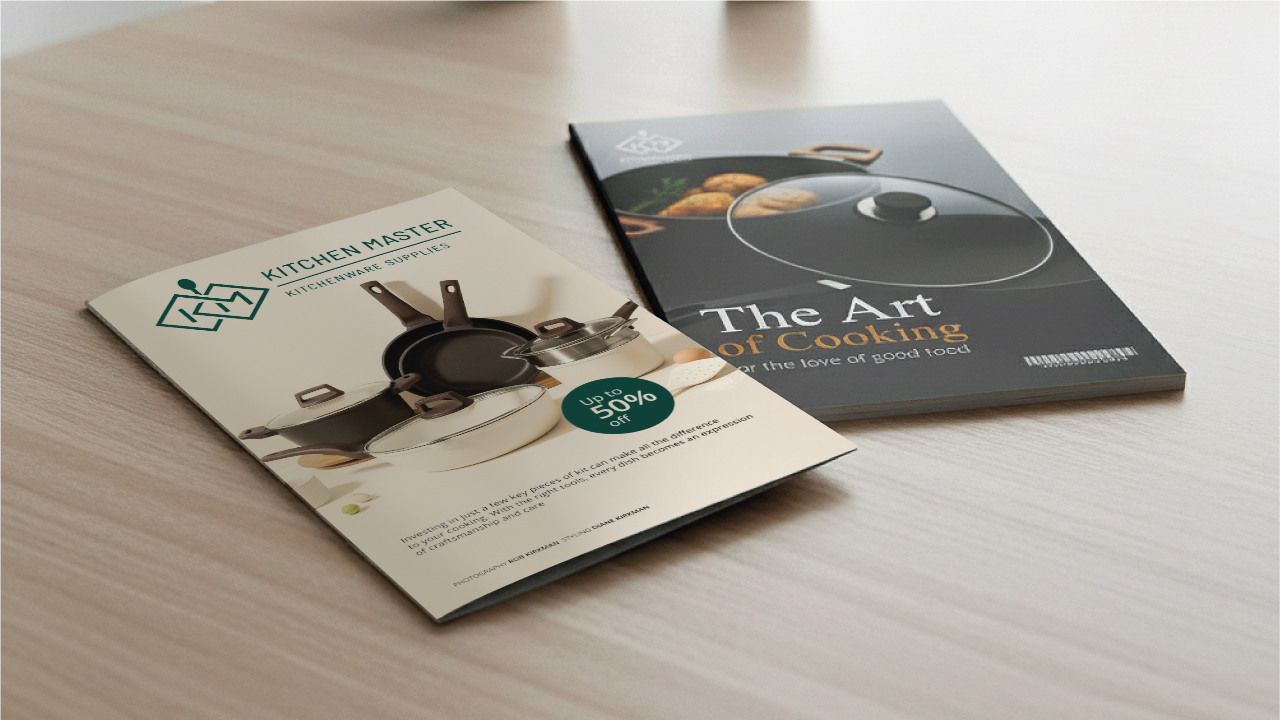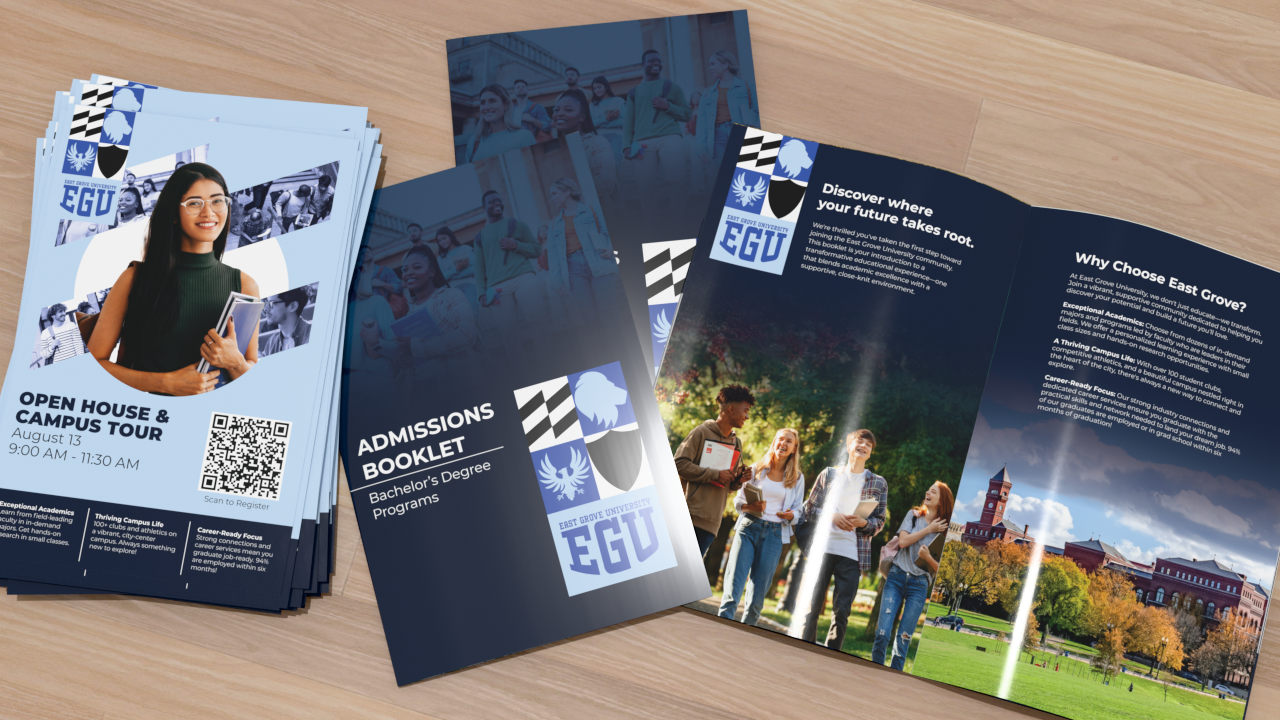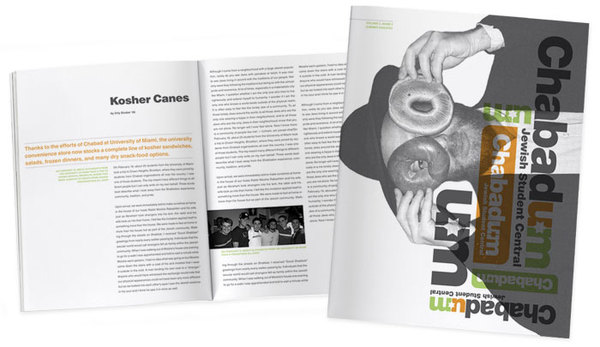

Several factors come into play when it comes to promoting your brand using booklets. Designs, texts, and call-to-action are essential elements, while the printing costs, paper choices, and turnaround times are vital for its production and distribution. One key factor that usually shapes the outcome for both design and production is the printing method.
Today, the two most common options for printing booklets are digital printing and offset printing. Both deliver excellent results, albeit in different ways, making it crucial to understand which one aligns better with your goals. In this article, we’ll walk through the strengths of each method and guide you in choosing the best printing style for your booklet marketing.
Defining Digital vs. Offset Printing
Digital booklet printing directly transfers text, images, and layouts from the computer file to paper. It’s known for speed, flexibility, and affordability, making it perfect for smaller print runs. Booklets can be produced in small batches quickly and cost-effectively with no lengthy setup required. One major advantage of this method is that designs or content can be revised at any time, letting you personalize and update your files frequently, just before printing. This makes digital printing ideal for short-run booklets, prototypes, and campaigns.
Offset booklet printing, meanwhile, uses a metal plate to transfer text and images onto a rubber blanket, which then presses the layout onto paper. This method produces sharp, consistent prints with excellent image clarity and color accuracy. While setup requires more time, offset becomes highly cost-efficient for large orders. It’s the preferred choice for mass production, such as booklets, monthly magazines, and catalogs, ensuring every copy maintains the same professional quality and consistency.
The chart below outlines the key differences that make digital printing and offset printing suitable for different booklet projects.
Choosing between digital and offset printing really depends on the kind of booklet you’re planning to create. Both options deliver quality and reliable booklets that can represent your brand, but each shine in different situations:
- Digital booklet printing is perfect for short-run booklets that need a fast turnaround, easy updates, and high-quality results for targeted promotions or small campaigns.
- Offset booklet printing is the go-to for big projects, where consistency, bulk pricing, and a professional look matter most.
Think about whether you need a small batch for a focused promotion or thousands of copies for year-round distribution. Once you’ve figured that out, the right choice becomes much clearer.
At NextDayFlyers, we offer both digital and offset booklet printing services, giving you the freedom to choose the printing option that perfectly fits your campaign and elevates your business promotions.