
Flyers have been a popular print marketing tool for decades. You can customize their size, paper type, design, and finish, which makes them a flexible choice for promoting products, services, events, or special offers.
Your flyer format matters. Whether you choose single-sided or double-sided can affect your design budget, message clarity, and overall campaign success. In this guide, we'll break down the pros and cons of each format, show you real-world use cases, and give you the framework to make the right choice for your specific goals.
One-Sided and Back-to-Back Flyers: What’'s the Difference?
The first thing to consider when choosing between single-sided and double-sided flyers is how each conveys your message and aligns with your marketing goals.
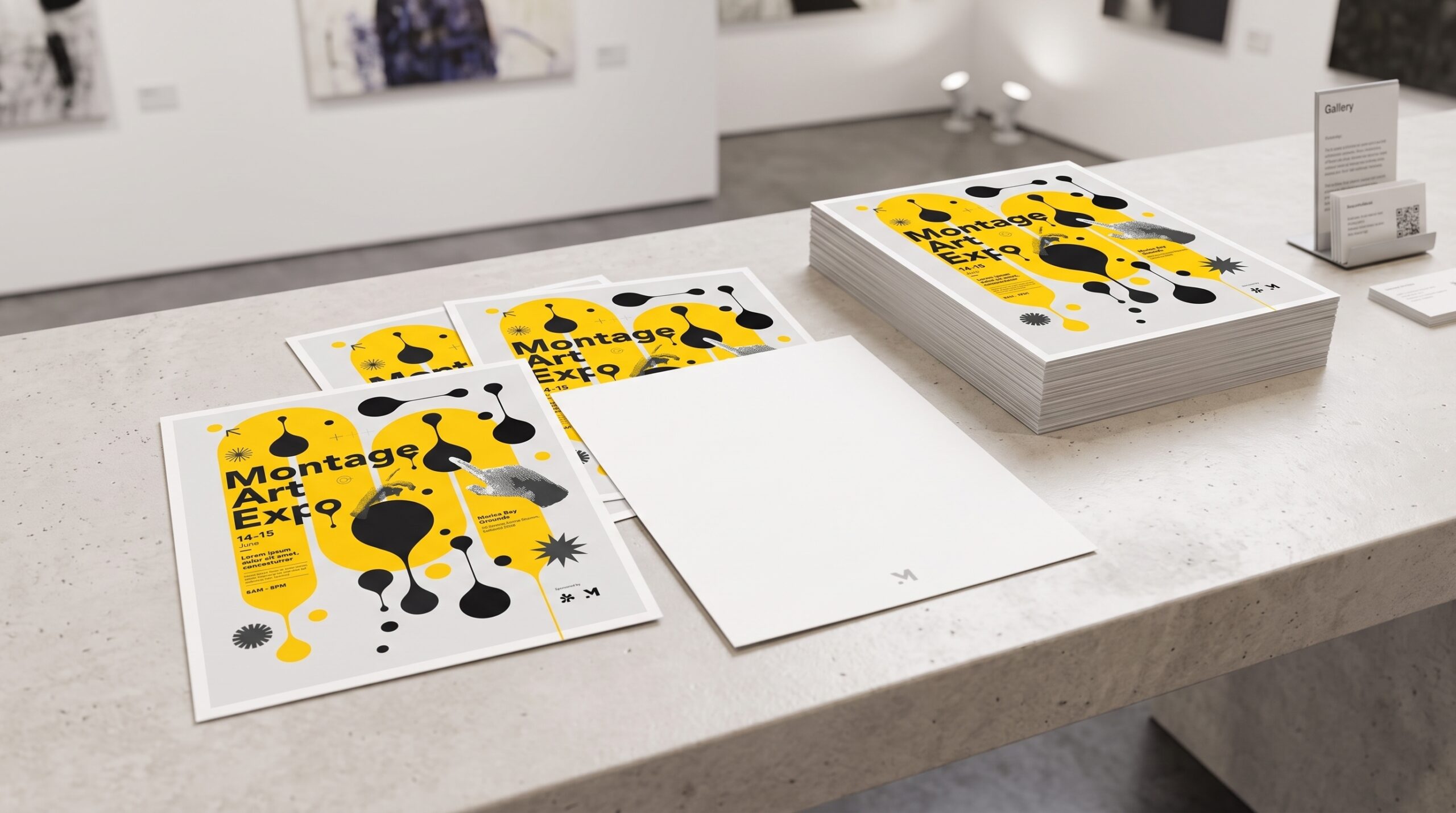
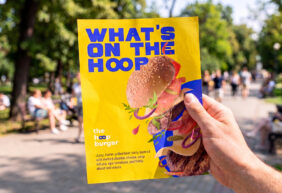
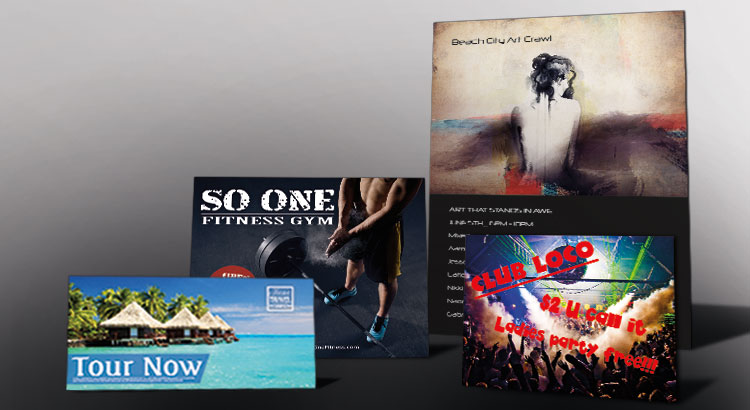
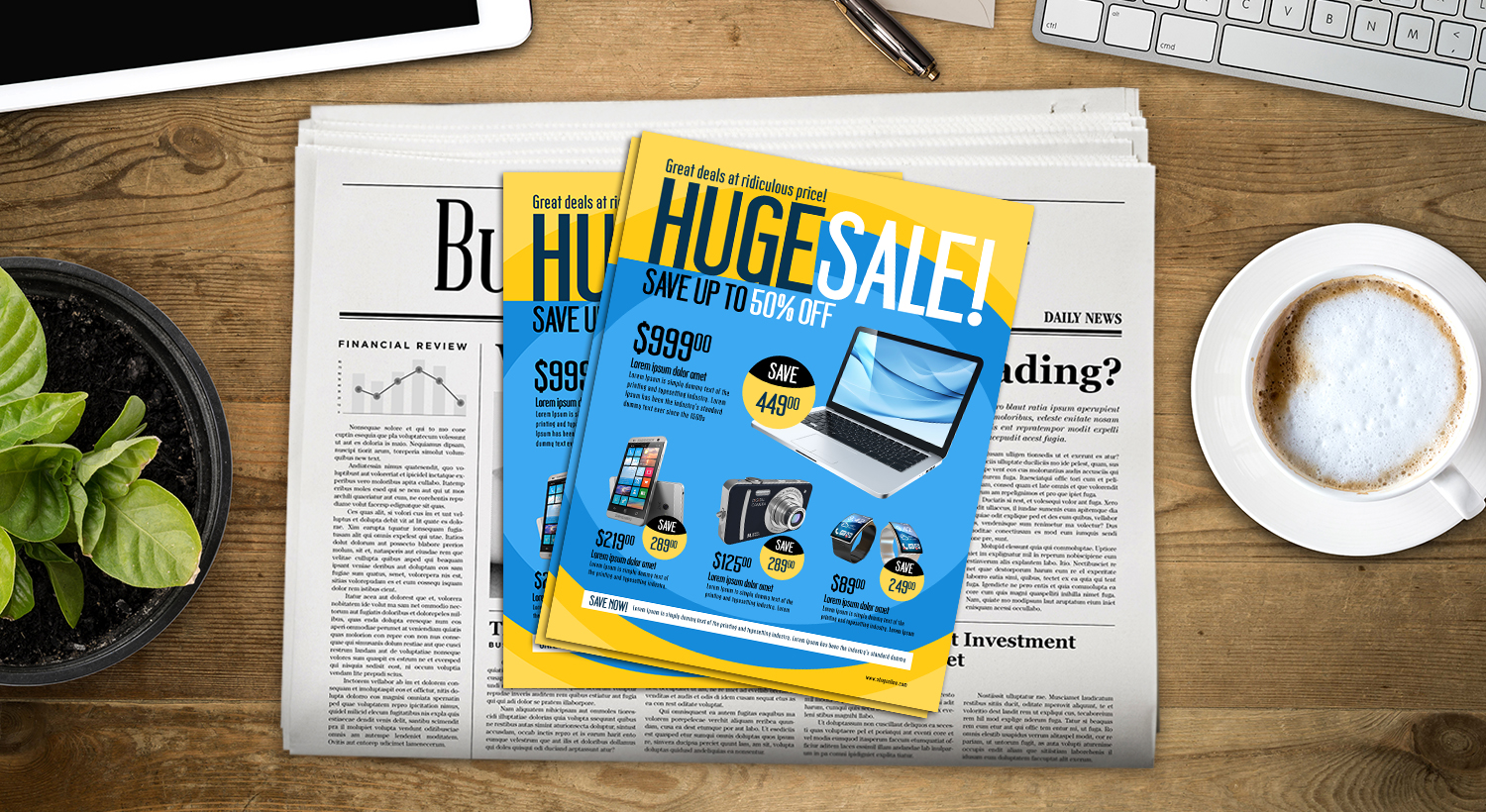
Single-sided flyers show all your branding, visuals, and key details on one side. This design only highlights the most important points so people can read them quickly. Printing on one side also lowers costs upfront and speeds up production. This type is great for short-term promotions, local events, flash sales, announcements, and general brand awareness.
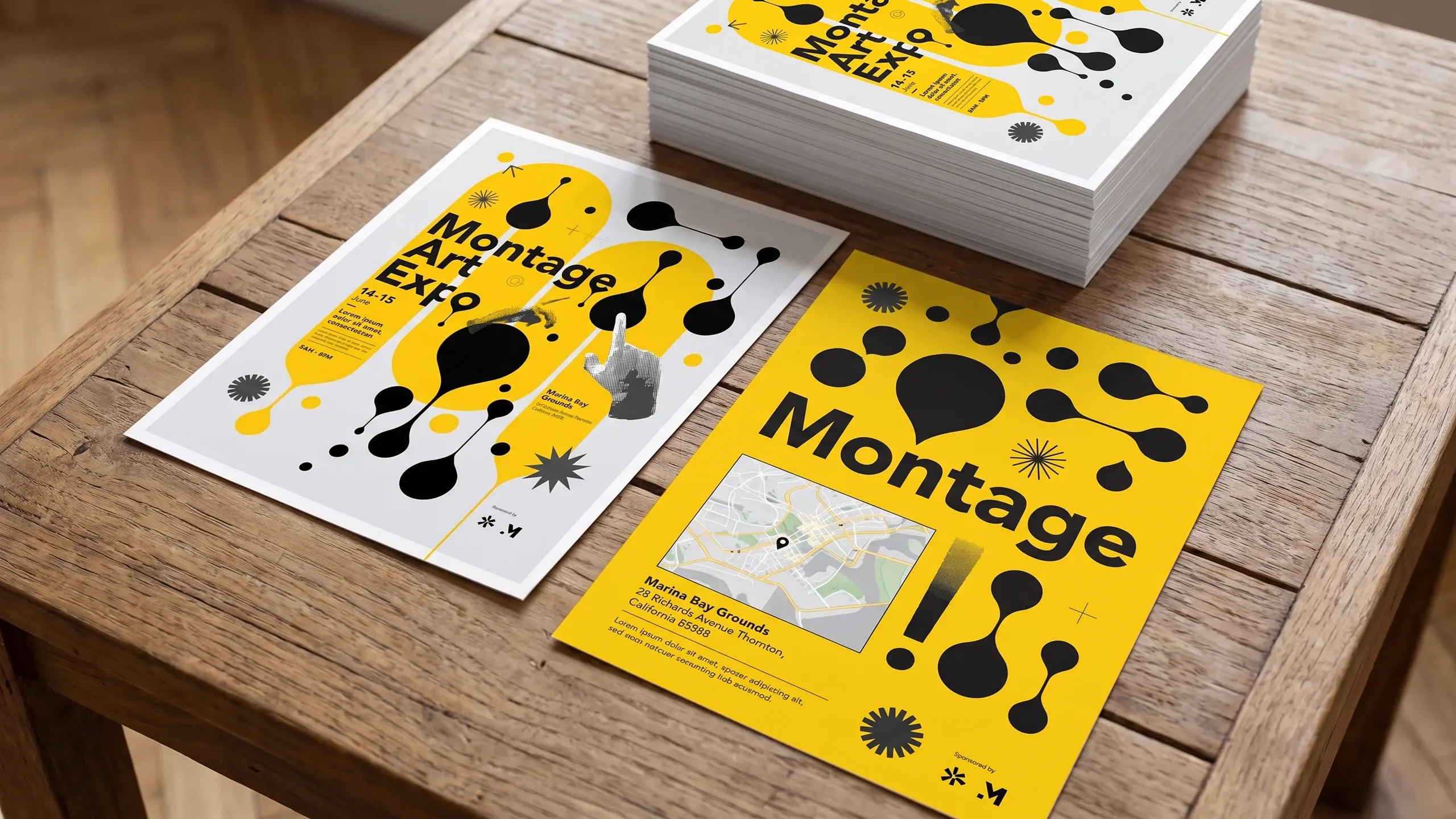
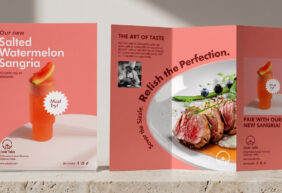
Double-sided flyers use both sides of the paper, so you have more space for details without making the design look crowded. Usually, the front has eye-catching visuals and headlines, while the back includes product details, schedules, maps, or contact information. They cost a bit more to make, but many people choose them for professional marketing purposes like real estate, networking events, political campaigns, and product launches.
When you compare single-sided and double-sided printing, you can see how your choice can affect how the flyers are used and what they do best.
| Element | Single-sided flyers | Double-sided flyers |
|---|---|---|
| Printing style | Single-sided flyers use just one side of the paper. This simple approach makes them easy to produce and is a good choice when you only need to share a little information. | Double-sided flyers use both sides of the paper, offering you twice the space. This extra room helps you add more details without making the flyer look cluttered. |
| Presentation | The one-sided layout shares a clear message that readers can grasp quickly. With large images, bold headlines, and short text, these flyers are easy to read even from far away. | These flyers use both pages to organize information in a more structured way. The front usually grabs attention with visuals and headlines, while the back gives extra details, specifications, and contact information. |
| Cost | Single-sided flyers are generally more affordable and faster to produce. They are an excellent choice for businesses planning large distribution campaigns where keeping printing costs low is a priority. | Printing on both sides costs slightly more because of the additional production process. However, the extra space often reduces the need for larger paper sizes or additional orders, providing great overall value. |
| Best uses | Single-sided flyers are great for flash sales, grand openings, event announcements, coupons, limited-time offers, and other promotions that need a short, eye-catching message. | Double-sided flyers are best for product catalogs, restaurant menus, service guides, event schedules, real estate listings, political campaigns, and any promotion that needs more detailed information. |
| Industries that use them | Retail stores, restaurants, nonprofits, schools, political campaigns, and community groups often use single-sided flyers to promote events, share offers or quickly update large groups of people. | Real estate agencies, healthcare providers, hotels, tourism companies, schools, financial services, and home improvement businesses often use double-sided flyers to give more details about their services, prices, or products. |
| Unique design ideas | A single-sided flyer can double as a small poster for display on bulletin boards, storefront windows, or walls after distribution. | The two-sided format can be used for bilingual flyer designs, with one language on the front and another on the back. |
Why do Businesses Choose One Over the Other?

At first glance, the main difference between one-sided and double-sided posters is which side is printed. But this choice also affects how you design, organize, and use a flyer. Double-sided flyers give you more space for creative layouts, while single-sided flyers keep your message clear and easy to see.
Single-Sided Flyers
Single-sided flyers are great for quick promotions that need to be printed and handed out fast. Staff and volunteers can distribute them easily, and people know how to read them right away. This makes them a practical option for street marketing.
Because they have just one page, these flyers are easy to put up on bulletin boards, shop windows, or community walls. The whole message stays visible, so people can read it without picking up the flyer.
Double-Sided Flyers
Double-sided flyers give you more space for creative designs and extra details that people can look at later. You can use the second side for things like restaurant menus, service guides, travel maps, maintenance tips, or product catalogs, so customers can find important information whenever they need it.
This makes the flyers last longer while also using less paper without cutting down on content. In turn, double-sided designs have become a smart choice for organizations that want to be more sustainable or run campaigns that support eco-friendly printing.
When Do You Use Single-Sided or Double-Sided Flyers?

Use Single-Sided Flyers For:
- Short-term promotions that need to be printed and distributed quickly, like last-minute campaigns, flash sales, or urgent announcements.
- General brand marketing, including upcoming sales, community events, grand openings, or seasonal promotions, where you only need to share a simple message.
- Temporary posters that show the whole design and are easy to put up on bulletin boards or storefront windows.
- Cost-effective campaigns where printing lots of flyers cheaply matters more than sharing a lot of details
Choose Double-Sided Flyers For:
- Print marketing efforts that need more space, like product launches, service overviews, or detailed business presentations.
- Handouts packed with information, such as maps, schedules, instructions, FAQs, or other details people might want to keep for reference.
- Reference materials like restaurant menus, product lists, service directories, or event programs that customers can keep and use again.
- Eco-friendly campaigns save paper by fitting more information on one sheet while highlighting your commitment to the environment.
People Also Ask About Flyer Designs
Yes. With all the information on one side, you can easily tape single-sided flyers to windows, bulletin boards, walls, or doors without covering anything important.
Put your headline, visuals, and main message on the front to catch people’s attention. Use the back for extra details like product info, pricing, directions, FAQs, or contact details.
Focus on a strong headline, a bold image, and a clear call to action. Keep your text short and leave plenty of white space so your flyer looks clean and presentable.
Yes. Make sure both sides are facing the same way so people can flip the flyer easily. Keep the design consistent on both sides for a neat, professional look.
Maximize Your Single-Sided and Double-Sided Flyers
Flyers are a proven marketing workhorse, and when you master the differences between single and double-sided formats, you unlock their full potential. The right format choice can mean the difference between a flyer that gets noticed and one that gets tossed.
When you’re ready to get started, NextDayFlyers can provide you with all the means to create your flyers, either one-sided or back-to-back. Afterward, we can print your flyers to ensure they align with your branding and marketing goals. The best part,we can have your order printed and ready to ship as soon as the next business day.