

If you are organizing a political campaign, creating the right message is only the beginning. How you share that message is just as important, since it helps people pay attention and support your campaign. Flyers, door hangers, and direct mail each have their own place in a voter contact strategy. In this guide, we’ll compare each print option during the different stages of a voter contact program, and give you tips on how to use them well in your campaign efforts.
What Is a Voter Contact Program?
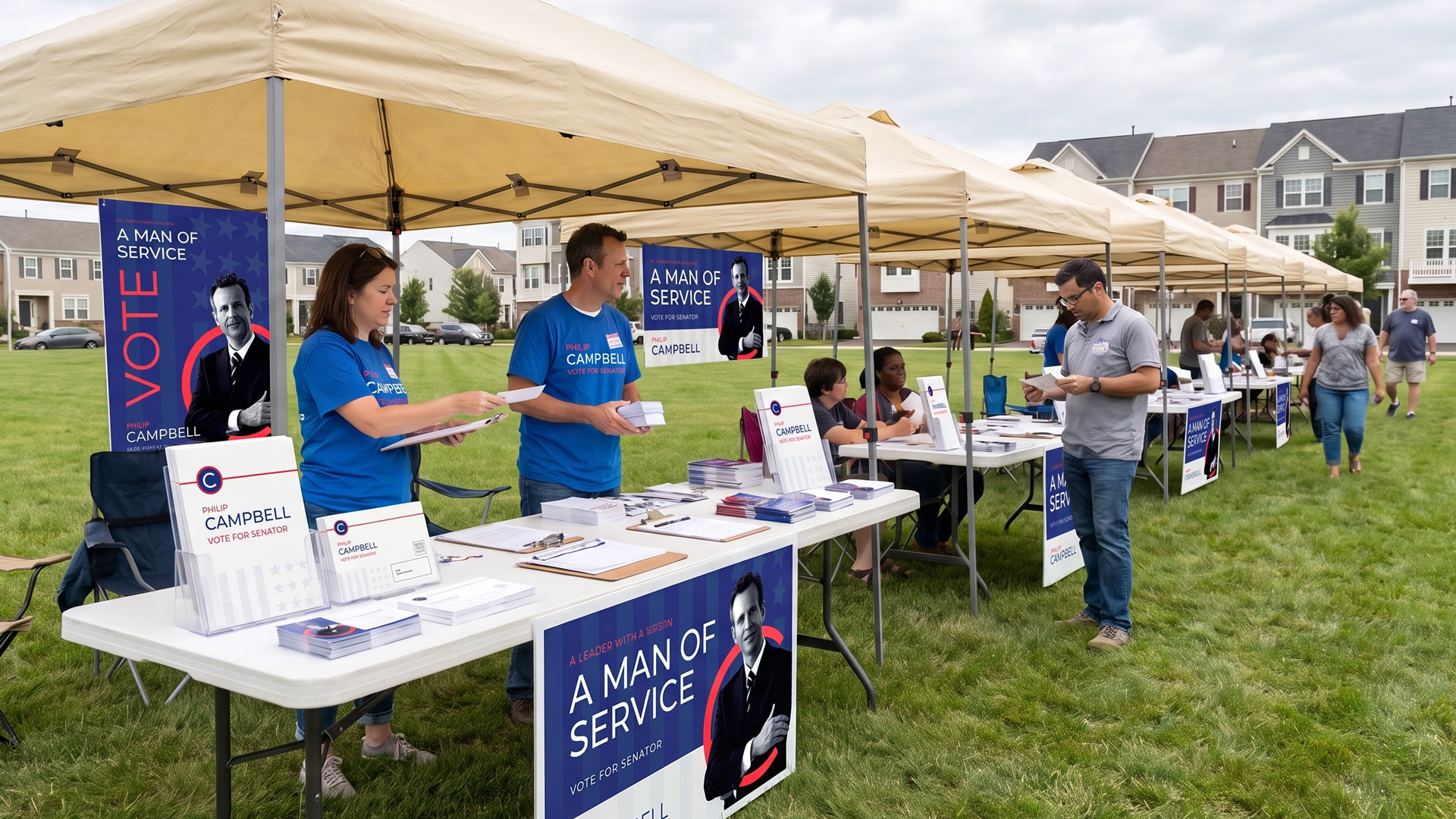
A voter contact program is a campaign’s plan for reaching and talking with voters during an election. This usually includes things like sending mail, handing out flyers, canvassing, making phone calls, holding events, and using digital tools to connect with people and share the campaign’s message.
A voter contact program comprises several key steps. These steps help the campaign introduce the candidate, explain key ideas, persuade undecided voters, and remind supporters to vote. Planning these activities precisely is key for the campaign to ensure voters receive a clear and consistent message.
Why Is Voter Contact Important?
During election season, voters often come across several campaigns. They might get a postcard, talk to a volunteer, notice a yard sign, or receive a voting reminder from different groups. When campaigns coordinate their outreach, they create steady points of contact that help voters get to know them. This approach also gives campaigns more chances to share information, answer questions, and encourage people to vote.
Even if your campaign uses different methods at each stage, a consistent voter contact program will help people remember your candidate and your message.
Which Campaign Materials Work Best for Voter Outreach?
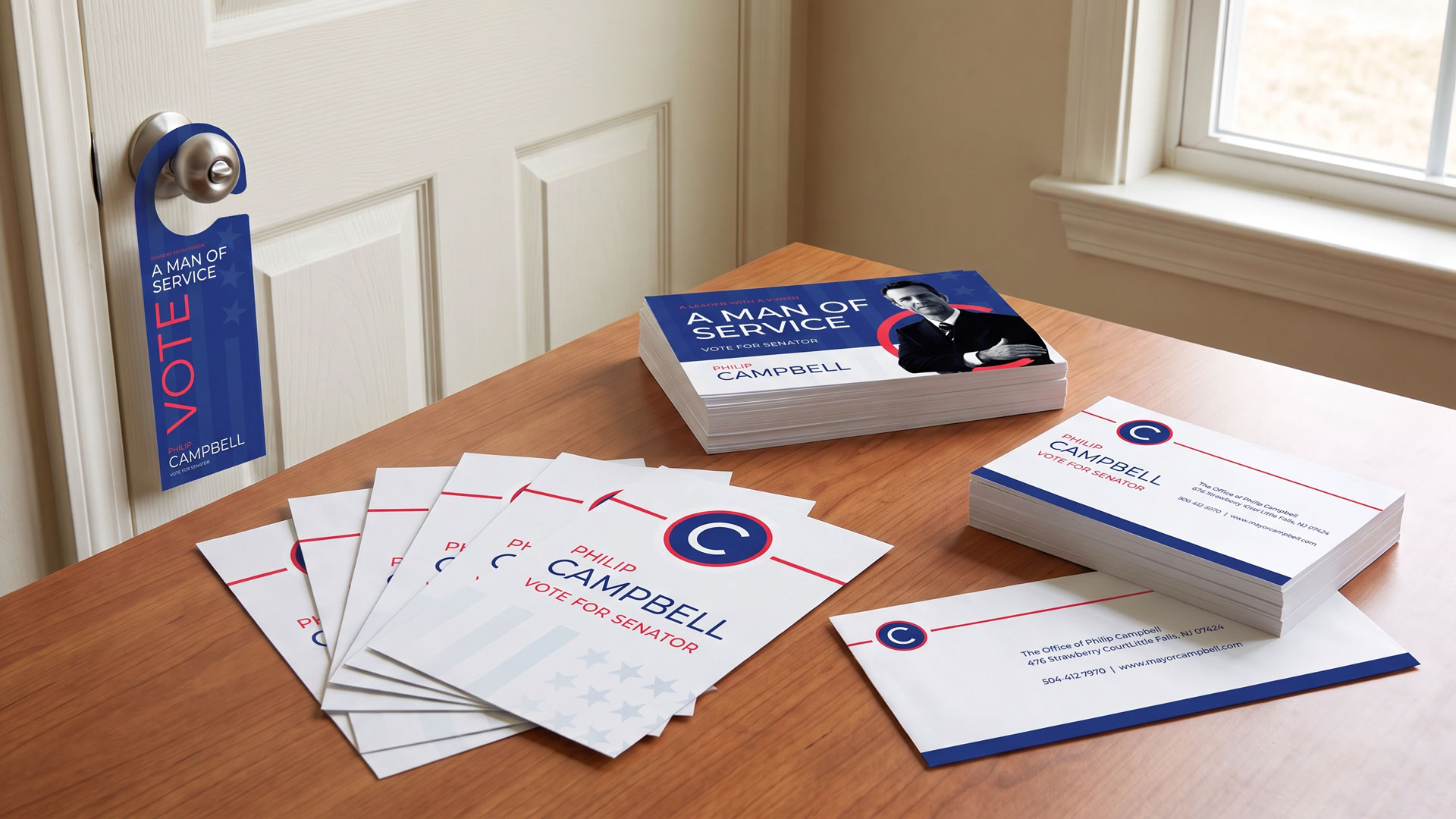
Each type of print material plays a specific role in voter outreach. Campaign teams can choose the materials that match their goals, such as raising early awareness, targeting certain voters, or boosting turnout as Election Day gets closer.
Flyers: Best for Broad Outreach and Awareness
Campaign flyers are still one of the most affordable and flexible ways to reach voters. You can hand them out almost anywhere, and they work well for a variety of campaign activities.
In terms of elections these work especially well if you want to share the same message with many people. They help with early outreach and can also promote activities that bring voters and volunteers together.
- Build name recognition: Flyers show the candidate’s name, priorities, and campaign message to more people.
- Recruit volunteers: Flyers can guide interested supporters to sign up, visit campaign offices, or join upcoming activities.
- Promote events: Flyers give voters the key details they need to attend rallies, meetings, fundraisers, and other campaign events.
Door Hangers: Best for Canvassing and Local Follow-Up
Door hangers are among the most widely used tools for neighborhood-level voter contact. Unlike flyers that may be distributed widely, door hangers allow for higher and more specific targeted outreach.
One common strategy during outreach is for campaign teams to hand them out along planned routes. They also leave information when volunteers cannot speak with a voter in person.
- Support canvassing: Door hangers leave campaign information at homes when volunteers cannot speak with residents directly.
- Increase voter turnout: Door hangers can give timely voting reminders, polling details, and clear calls to participate.
Direct Mail: Best for Targeted and Detailed Messaging
Direct mail remains one of the most powerful voter outreach tools because it allows campaigns to deliver specific messages to specific audiences.
Instead of communicating broadly, campaigns can tailor messages to voters' characteristics and priorities.
Direct mail is often the go-to choice when campaign teams want greater control over who receives the message. Different groups of voters can receive information tailored to campaign priorities, outreach goals, or key issues.
- Reach targeted voters: Direct mail allows campaigns to send specific messages to chosen households or areas.
- Educate undecided voters: Mail pieces offer space to explain candidates' positions, priorities, endorsements, and other persuasive information.
- Reinforce campaign messaging: Follow-up mail keeps key campaign themes in front of voters after earlier contacts.
Comparing and Contrasting Each Print Option
Flyers vs. Door Hangers
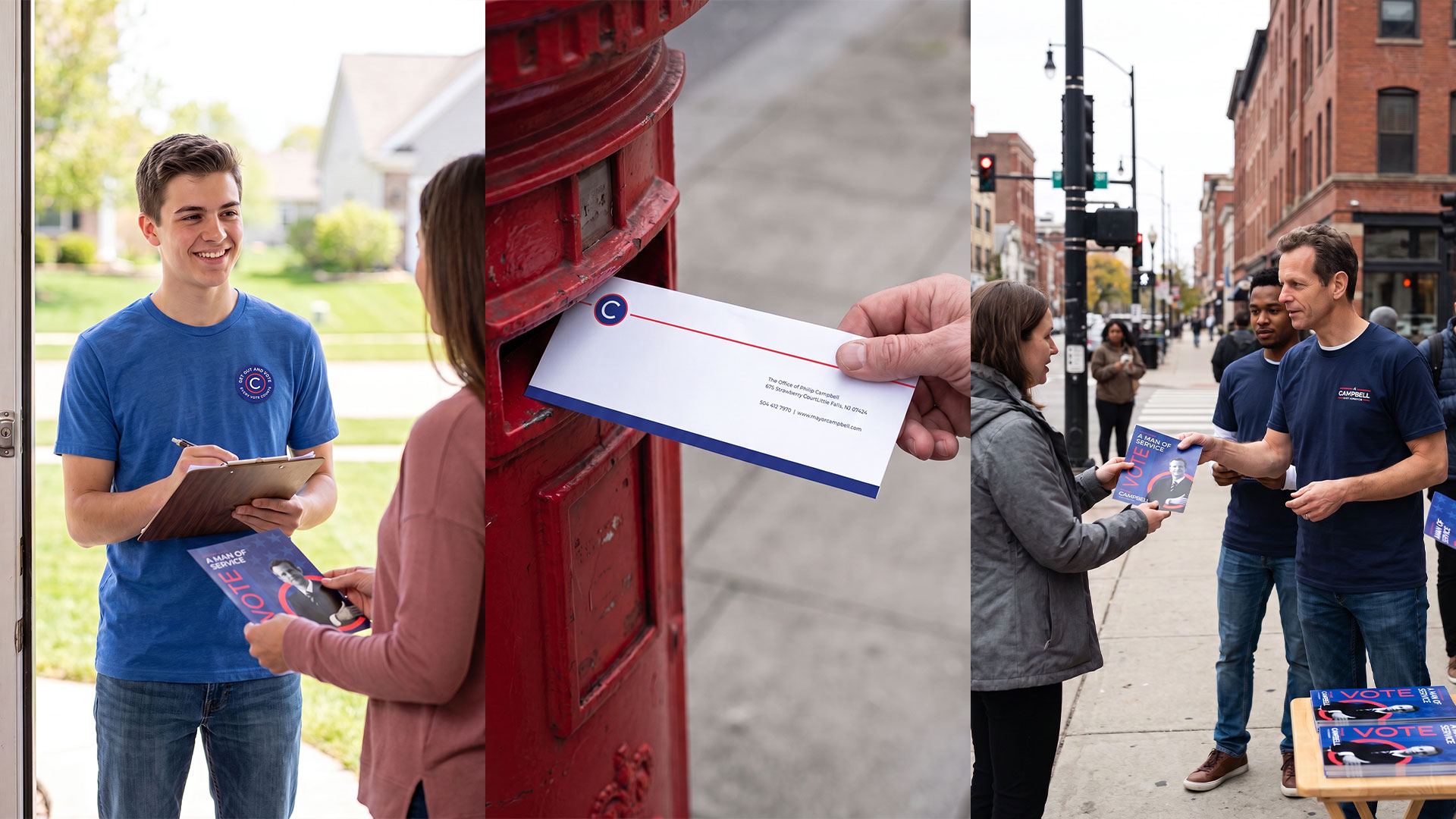
Flyers and door hangers get distributed differently. Consider how many people you want to reach and if you want a flexible method or to target certain locations.
- Flyers work well for events, recruiting volunteers, community engagement, or any time you want your message to reach a lot of people.
- Door hangers are best when your team visits specific streets or neighborhoods and needs to leave campaign or GOTV information at each house.
Door Hangers vs. Direct Mail
This decision largely depends on how your campaign wants to reach targeted households.
- Pick door hangers if volunteers can visit certain neighborhoods and leave campaign information or Election Day reminders after talking to people.
- Use direct mail when you need to target specific groups, send detailed messages, or ensure materials reach certain voters without relying on door-to-door.
Flyers vs. Direct Mail
The main difference is that flyers offer flexible distribution, while direct mail gives you more control over who gets your message.
- Go with flyers if volunteers can hand out materials at events, community spots, or other outreach opportunities for a low cost.
- Pick direct mail if you have voter data that lets you target certain areas, segment your audience, or send different messages to specific groups.
The Best Voter Contact Strategy: Use All Three
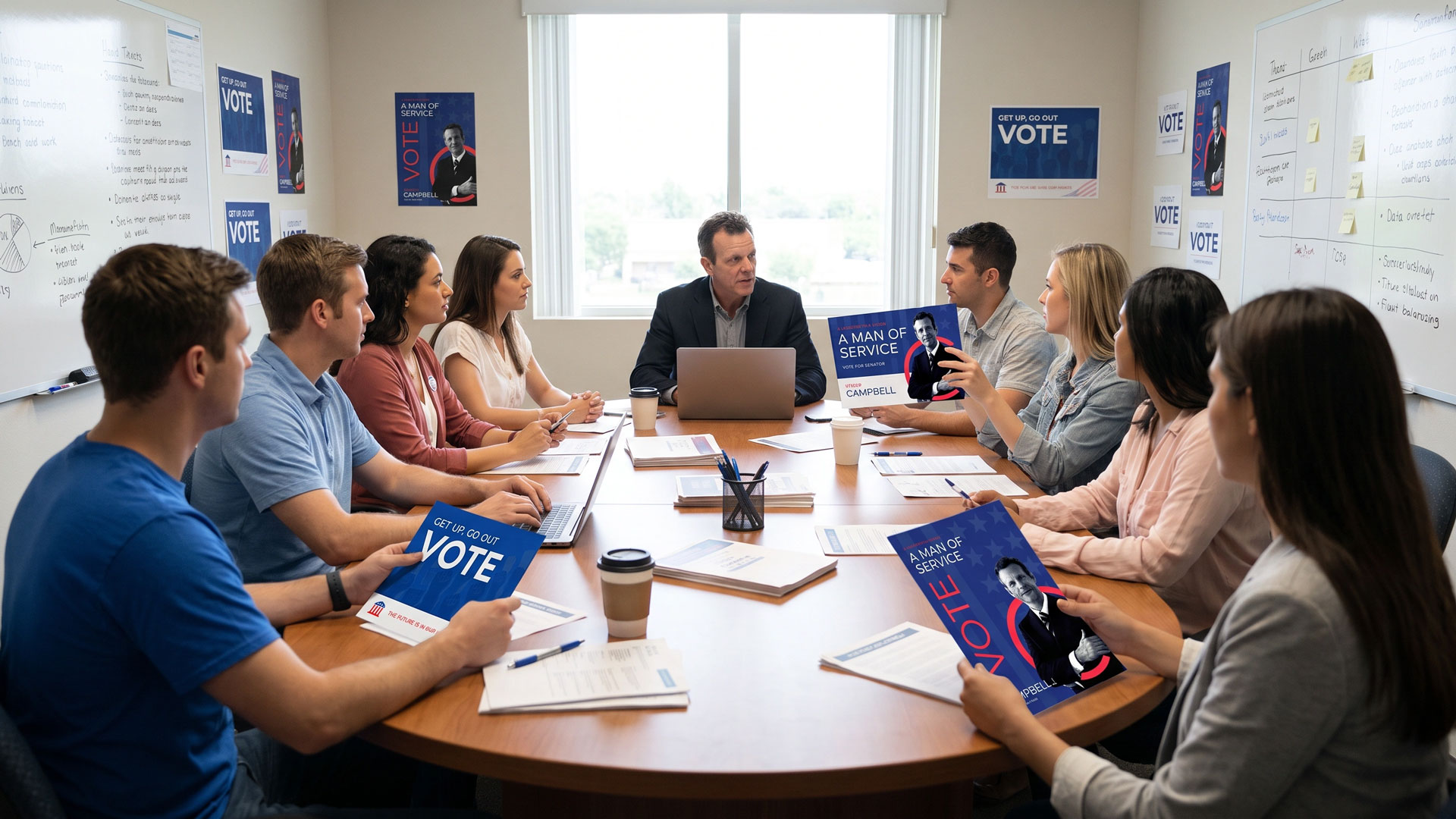
Flyers, door hangers, and direct mail work best when used together, especially when you also include other campaign materials. Each one has its own role and can be maximized at certain points in your voter outreach.
Plan a coordinated approach by organizing your campaigns to make the most of your print materials. You can also create a checklist that tracks your print schedule from the beginning of your campaign until Election Day.
A Sample Voter Contact Program
Phase 1: Build Awareness
Begin by introducing the candidate and making sure the campaign is visible in the community. Hand out flyers and introductory postcards widely and put up yard signs in neighborhoods and other allowed spots to help people remember the candidate’s name.
Goal: Help people recognize the candidate’s name and get the campaign noticed early.
Phase 2: Engage and Persuade
After people know about the campaign, share more details about the candidate and what matters most. Send direct mail to certain voter groups, hand out brochures with more information, and use event materials to help with conversations at community events.
Goal: Make sure voters understand the campaign and give undecided people good reasons to support the candidate.
Phase 3: Encourage Turnout
As election day gets closer, focus on getting people to take action. Leave door hangers and walk cards when canvassing neighborhoods and follow up with GOTV postcards and reminders that include important information and clear instructions to vote.
Goal: Remind supporters to plan ahead and make sure they vote.
Frequently Asked Questions
Door hangers and walk cards work well because they let you connect directly with voters and leave information behind for them.
Yes. Flyers are still a budget-friendly way to promote events, find volunteers, and help people get to know your candidate.
Direct mail helps local campaigns reach certain groups of voters and remind them about your message during the whole election.
Yes. Direct mail goes straight to people’s mailboxes, and door hangers help with face-to-face outreach. Using both gives you more chances to connect with voters.
Door hangers, walk cards, and reminder postcards are popular because you can hand them out right before voting starts.
The Most Impactful Voter Contact Programs Reach Voters More Than Once
A good voter contact program keeps your campaign visible and makes sure every interaction has a clear purpose. Instead of using print materials on their own, connect them to your campaign’s schedule, target audience, and outreach goals. Make sure they match your cause and help voters recognize, trust, and remember your message. This consistent approach helps your team use resources wisely, keeps volunteers prepared, and ensures your communication is steady. When your plan works together, each voter contact builds on the last.