
Key Points:
- Flyers are excellent for large-scale marketing because they are affordable to print and easy to distribute.
- To ensure high conversion rates for your flyer marketing, choose high-traffic locations where your target customers gather.
- Before distributing flyers or other print marketing materials, check local ordinances and community rules on solicitation to avoid fines and legal issues.
What is Flyer Distribution?
Flyer distribution is a traditional marketing strategy in which businesses leave promotional materials on doors or gates or hand them out in high-traffic areas, such as city centers, transportation hubs, and event venues.
Despite the prevalence of online media, print remains an effective way to promote a product or service because it provides a tactile experience people can hold, read, and take home.
6 Best Practices for Flyer Distribution
The success of marketing flyers depends on how you distribute them, which entails targeting the right audience, choosing the right location and timing, and using engaging designs. Meanwhile, random, large-volume distribution often leads to low conversion rates.
Follow these best practices for flyer distribution to get the best ROI:
1. Know the Local Rules and Restrictions
Flyer distribution is often regulated by local laws. Always check city ordinances and local community rules regarding solicitation. Non-compliance can result in penalties or fines and affect brand reputation.
Many cities and municipalities have rules against posting flyers on public properties (e.g., utility poles, sidewalks, and traffic signs). Others require businesses to obtain a permit for door-to-door and hand-to-hand flyer distribution in public spaces.
2. Know Your Target Audience Know Your Audience
Knowing your target audience is key to efficient distribution, enabling you to choose the best locations where people are most likely to respond to your message.
When your print ends up in the hands of people who care about your product or service, expect high engagement and conversion rates, as well as a positive brand perception.
3. Design for Impact
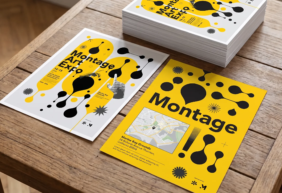
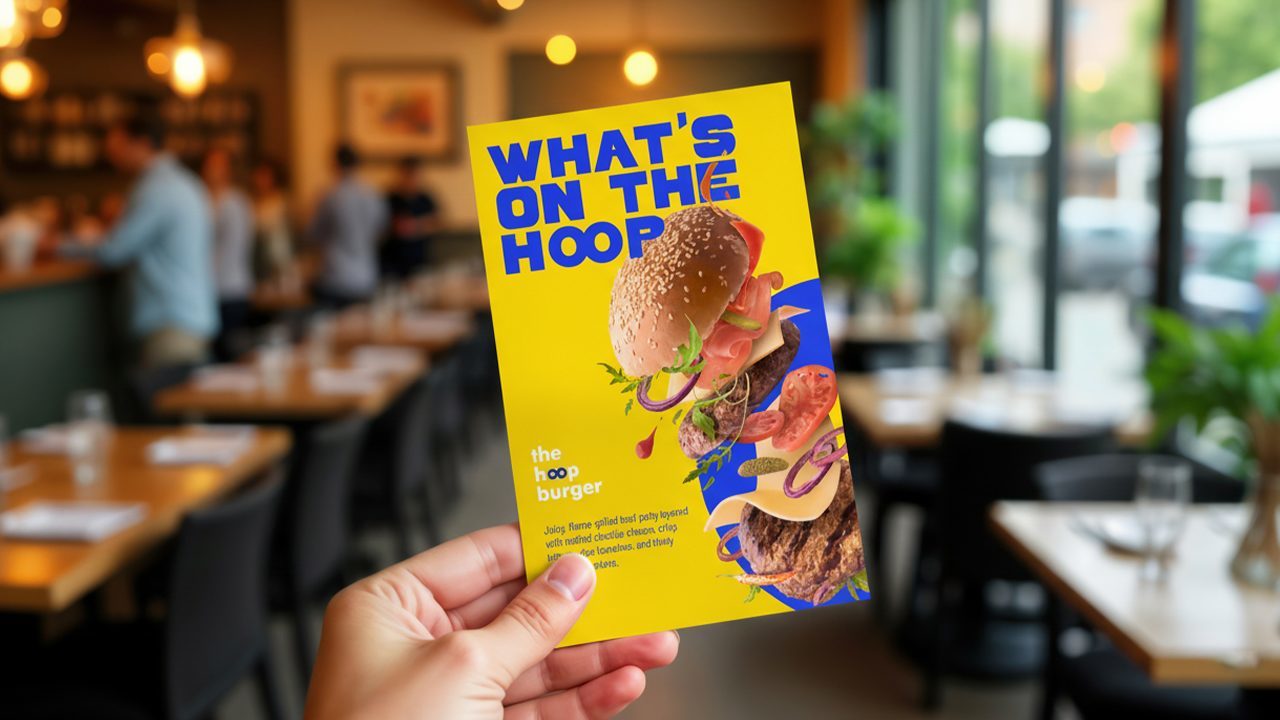
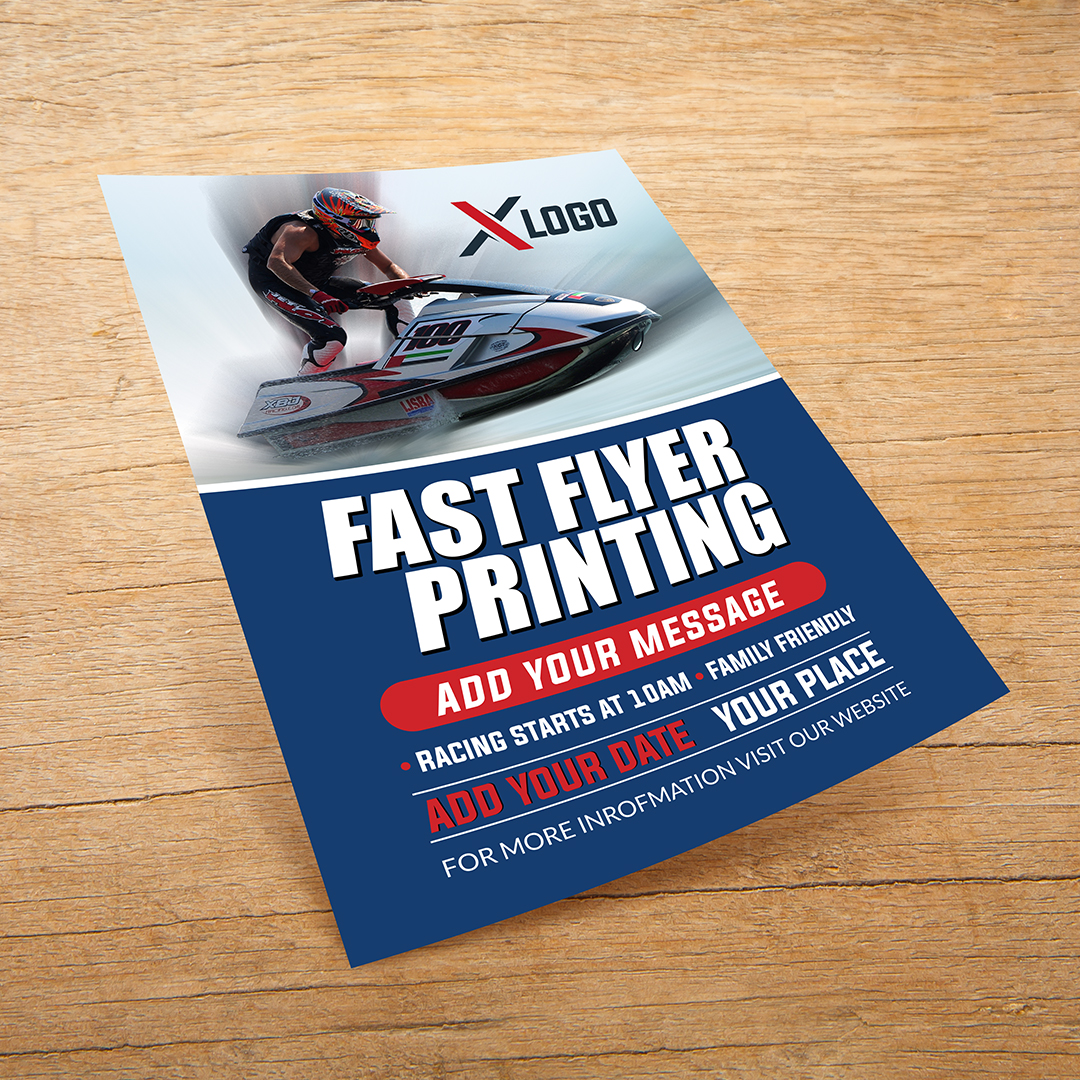
Design a flyer that looks like a mini billboard — it must grab attention instantly, deliver a clear message, and prompt readers to take the desired action. Here are the key design elements of an impactful and effective flyer.
- Bold headline
- Readable fonts (limit typography to two styles)
- Brand colors
- High-quality, compelling images
- Concise messaging (keep text short and use bullet points instead of long paragraphs)
- Strong and specific call-to-action (e.g., “Scan QR for discount” or “Visit us”)
- Simple layout (headline → image → details → CTA)
- Ample white space or “empty” space to create clarity and balance
- Trackable elements (e.g., QR codes, promo codes, or unique URLs)
4. Choose Locations Strategically
Businesses distribute print materials in high-traffic areas where their target audience naturally gathers. For example, a fitness brand can hand out flyers at gyms, parks, and sports venues and events where people are more likely to be interested in their product or service.
Depending on the local ordinance, you may need a permit to hand out flyers at public parks, community centers, and on sidewalks.
5. Be Polite and Professional
When handing out flyers, greet people courteously and avoid being pushy. Also, dress appropriately because your appearance can influence how people perceive your brand. You’re not just distributing print materials — you are representing a business.
6. Think About the Environment
Flyers are physical marketing tools, so how they’re produced says a lot about your company’s ethics and priorities. As a result, choosing a professional print partner that aligns with your values and sustainability efforts makes perfect sense.
NextDayFlyers is an online print shop that adheres to sustainable practices, including recycling paper scraps, printing plates, and ink waste.
Putting Flyers in Mailboxes
USPS prohibits anyone from putting flyers, envelopes, or any unstamped materials in mailboxes. Violating the “mailbox restriction” law comes with fines of up to $5,000 for individuals or $10,000 for businesses. Fortunately, there are multiple ways to distribute flyers legally, ethically, and efficiently.
If you’re in an area with strict solicitation rules, consider flyer alternatives, such as door hangers and direct mail.
3 Alternative Ways to Distribute Flyers
While door-to-door and hand-to-hand flyer distributions are common, there are other alternative options you can try.
1. Bulletin Boards
Displaying flyers on bulletin boards is an effective way to promote your brand or share information. High-traffic areas like community centers, supermarkets, coffee shops, gyms, libraries, and laundromats are usually considered ideal locations for flyer marketing, but you need to ask the manager or admin for permission.
2. Business-to-Business Distribution
Cross-promotions and partnerships with local businesses can help you reach your target audience. You can ask for permission to leave a stack of flyers at their lobbies or distribute them at conferences and networking events.
3. Direct Mail (EDDM) Flyers
EDDM flyers allow you to target specific neighborhoods or carrier routes without a list of addresses and names. To use this USPS service designed for local targeting, you just need to select areas by ZIP code and route.
EDDM-compliant flyers must be at least 6.125” long and 10.5” wide and not exceed 12″ x 15″. They are commonly available in these standard sizes: 6.25″ x 9″ (postcard size), 8.5″ x 11″, 9″ x 12″, and 11″ x 17″.
These etiquette tips and best practices for flyer distribution are not just about avoiding fines and penalties — they’re about targeting the right audience in a way that is respectful, efficient, and strategic. When you show that your business is community-friendly and environmentally responsible, it becomes easier to convey a message to your customers.
NextDayFlyers is known for producing high‑quality print materials suitable for bulk printing and large‑scale distributions, including flyers, brochures, postcards, and door hangers.