Recently updated on December 5th, 2017 at 06:27 pm
Bookweight? Cardstock? What am I looking at?
When you look at printing websites, you are bombarded with unfamiliar words and jargon that can be quite confusing. It is like a trip to the local coffee shop and facing an array of choices—whip or no whip, heavy foam, light foam or no foam at all.
The advancements of modern technology provided us with a wider range of choices. While it has given us the ability to choose what suits our preferences, this ability can be a hindrance itself, especially if you don’t know anything about these choices. So if you are looking for what type of paper is perfect for your project, you need to learn more about paper weights and when you should use them.
In this article, we are going to look at two of our popular paper options—100 lb. bookweight and 14 pt. cardstock.
What is the difference between lb. and pt.?
Before we delve into our paper recommendations, it is important we distinguish the difference between lb. and pt., measurements used in the printing industry.
There are two ways we can measure paper.
First is the basis weight, which is the designated fixed weight of paper in that paper’s basic sheet size. The basic sheet size is not the same for all types of paper. Because of this, smaller sized but thicker paper can have a basis weight that is the same with a larger but thinner paper. Basis weight is measured in pounds (lb or #).
The second measurement is caliper, which refers to the thickness of a single sheet of paper expressed in thousandth of an inch. For example, a paper measuring .010 inch would be given a 10 pt. measurement. A micrometer is used to measure paper and should typically have a variance of +/- 5% within a sheet. Caliper is measured in points (pt).
What is 14 pt. cardstock?
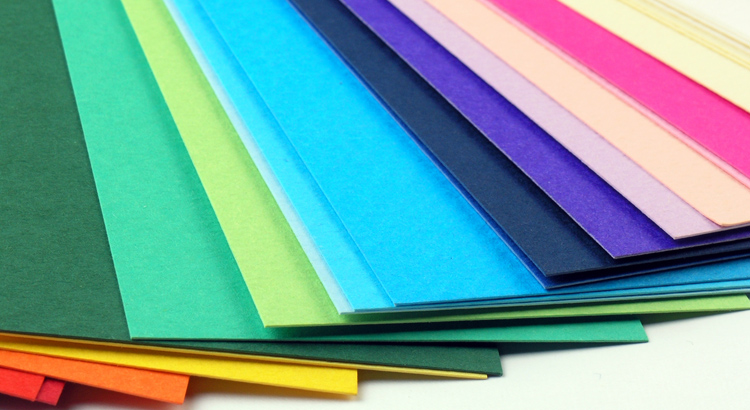
Cardstock, also known as cover stock, is a type of paper that is more durable than ordinary printing paper but more flexible than a paperboard. The paper is .014 inch thick, making it more rigid than ordinary bond paper.
When should I use 14 pt. cardstock?
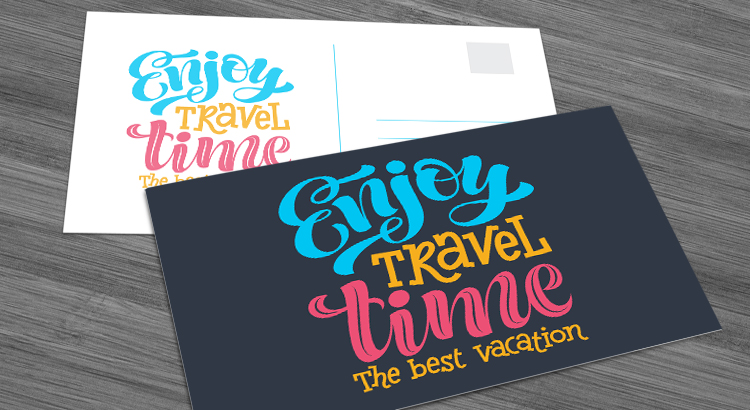
Since 14 pt. cardstock is thick and sturdy and tends to look more expensive, consider using it for projects where durability and appearance are important. Cardstock is perfect for business cards and postcards since they represent you, your company, and your relationship with the receiver of your card. 14 pt. cardstock is also suitable for pieces that should be able to stand up on their own, like table tents or rack cards. CD covers and folders can also benefit with the strength and durability of 14 pt.
What is 100 lb. bookweight paper?
Bookweight paper or text weight paper is a thin and bendable paper but is slightly thicker than your standard copy paper. The ordinary copy paper you can find in your local office supply store is 80 lb. thick. 100 lb. bookweight paper feels more substantial but maintains its flexibility. Our bookweight paper has a high gloss coating which allows it to perform well on the press for color and detail. Keep in mind that it is floppier than the cardstock and does not stand on its own. To select it when ordering, choose “100 lb. gloss book.”
When should I use Bookweight Paper?
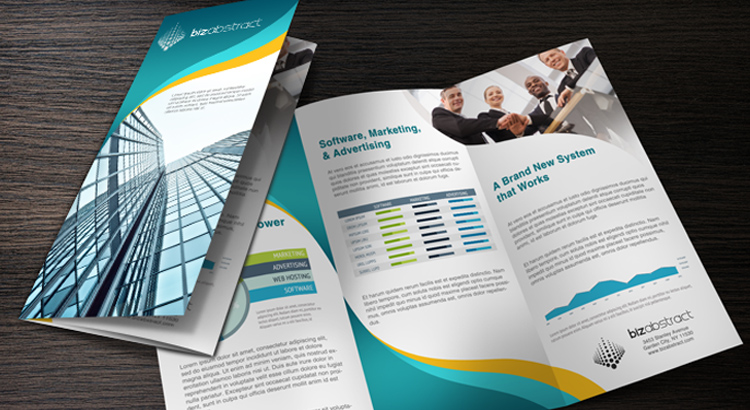
Bookweight paper is thinner than cardstock, which makes it more flexible and ideal for projects that need folding, stacking or transporting. It is ideal for pieces that use vivid images and related information. You can use bookweight paper when printing booklets, brochures, loose flyers, menus, posters and sell sheets.
I hope that this information cleared up the confusion brought by our printing industry jargon and will help you make an educated decision on your paper choices. When you are planning your next print project, be sure to consider what type of paper and weight is ideal for both your company costs and your target consumer. As for what type of coffee you should get, you’re on your own.



Excellent execution!